
Sebastian Bolesch
Online Art Lectures
Our digital lecture series invites you to join in exciting discussions on current topics related to art in museums. Expert curators, conservators and specialists from various fields share their diverse experiences and open up new perspectives on the artworks.
Wed, June 24, 6:30 p.m.
Arts and Media x AI
Esther Watorowski, attorney
Since 2022, we’ve all been able to talk to machines—without being computer scientists or engineers. With the help of AI chatbots, we generate text, image, audio, and video content. But these new possibilities raise many pressing legal questions, such as:
Are my prompts and AI-generated content protected? Is a new form of copyright emerging?
Could my AI creations infringe on someone else’s copyright or personality rights?
Am I allowed to create AI images in the style of Artist X?
What are deepfakes, and when do labeling requirements apply?
Are large AI companies permitted to crawl the internet for content and train their models using my works published online?
What does the AI Act regulate, and what transition periods are in place?
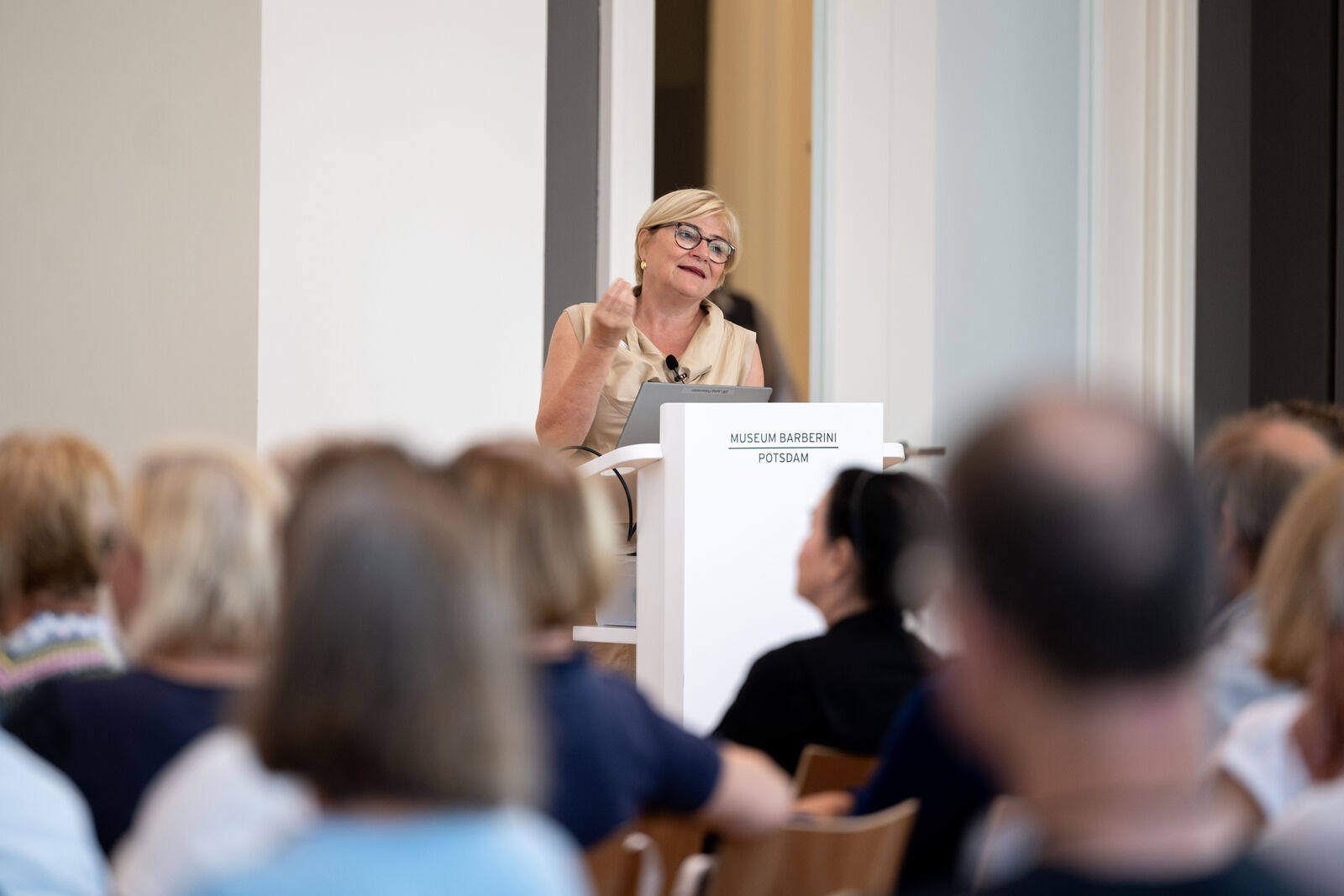
In her presentation, attorney Esther Anna Watorowski addresses these key questions and analyzes current developments from a legal perspective. The presentation is aimed at a broad audience and conveys complex content in a clear and engaging manner using numerous visual examples.
Esther Anna Watorowski is an attorney and certified data protection officer in Berlin. After twelve years working at renowned law firms and a startup, she now works independently at the intersection of IT, data protection, and labor law. She is particularly committed to communicating the law surrounding artificial intelligence and data protection in an understandable and engaging way, thereby reaching a wider audience.
Costs
€ 5
Runtime
50 minutes
Booking
Online
Venue
Online lecture (in German) via Zoom
Please note
You will receive a link to the online lecture at your e-mail address before the event. Please also check your spam.