
Avant-Garde: Max Liebermann and Impressionism in Germany
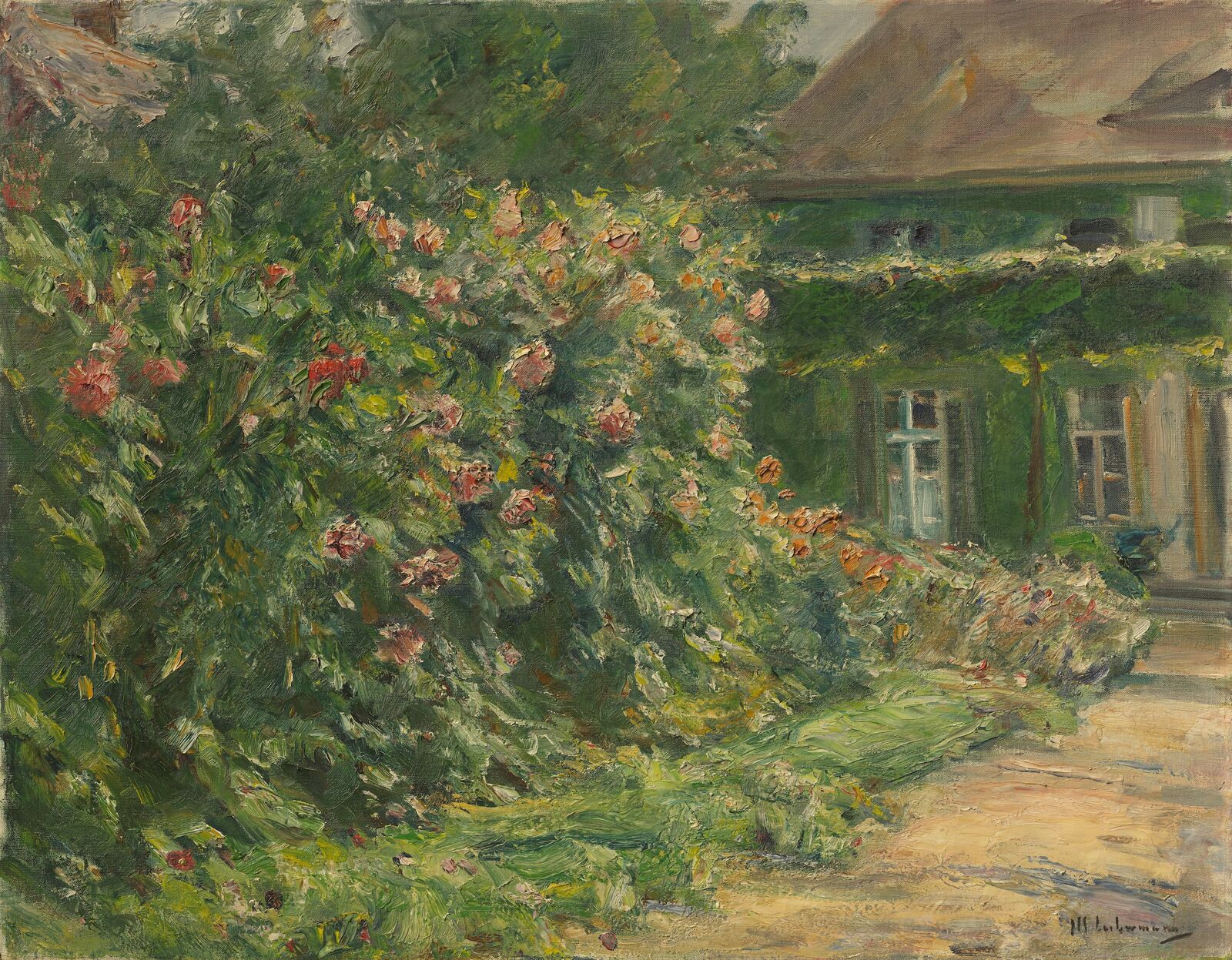
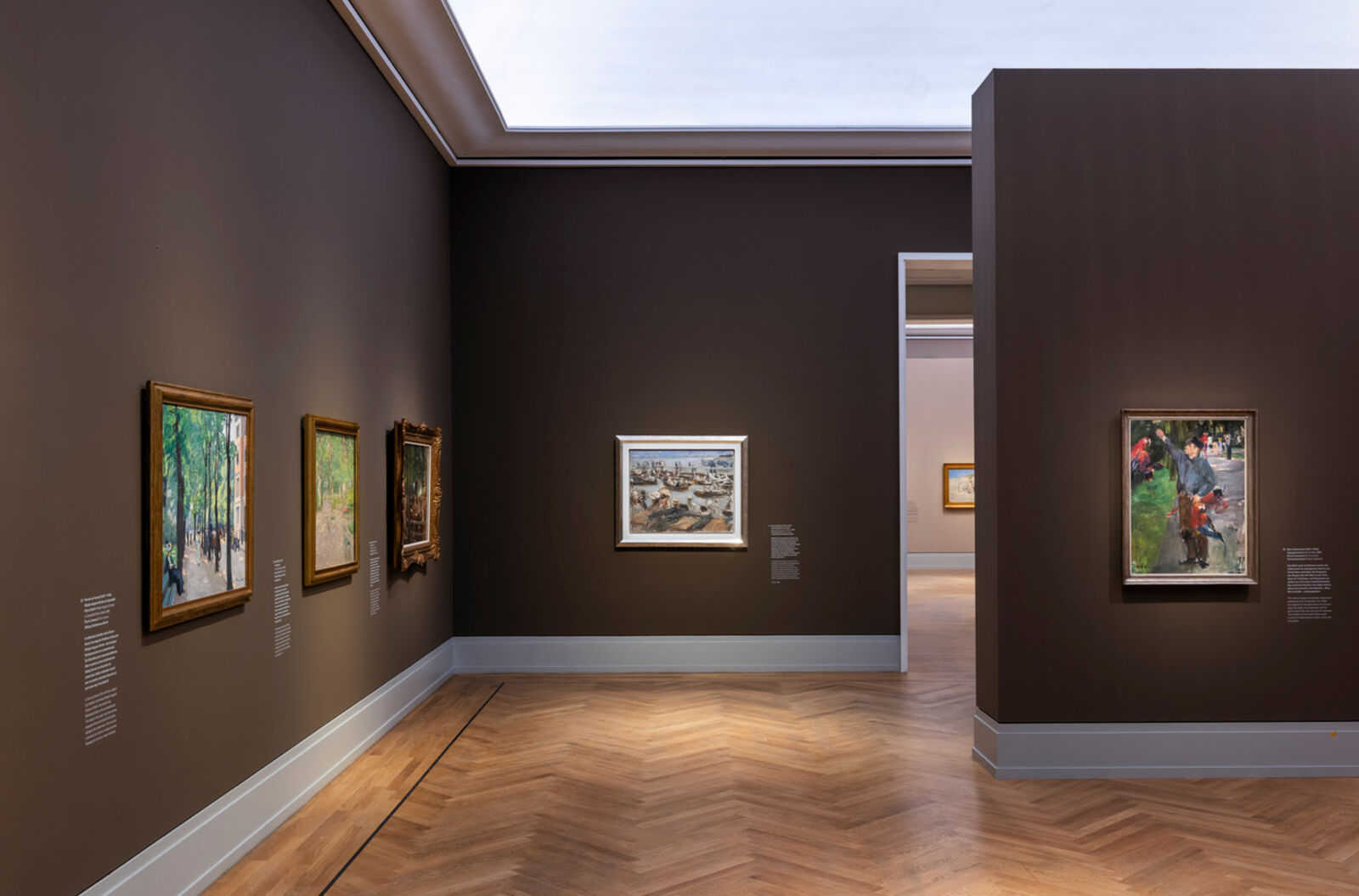
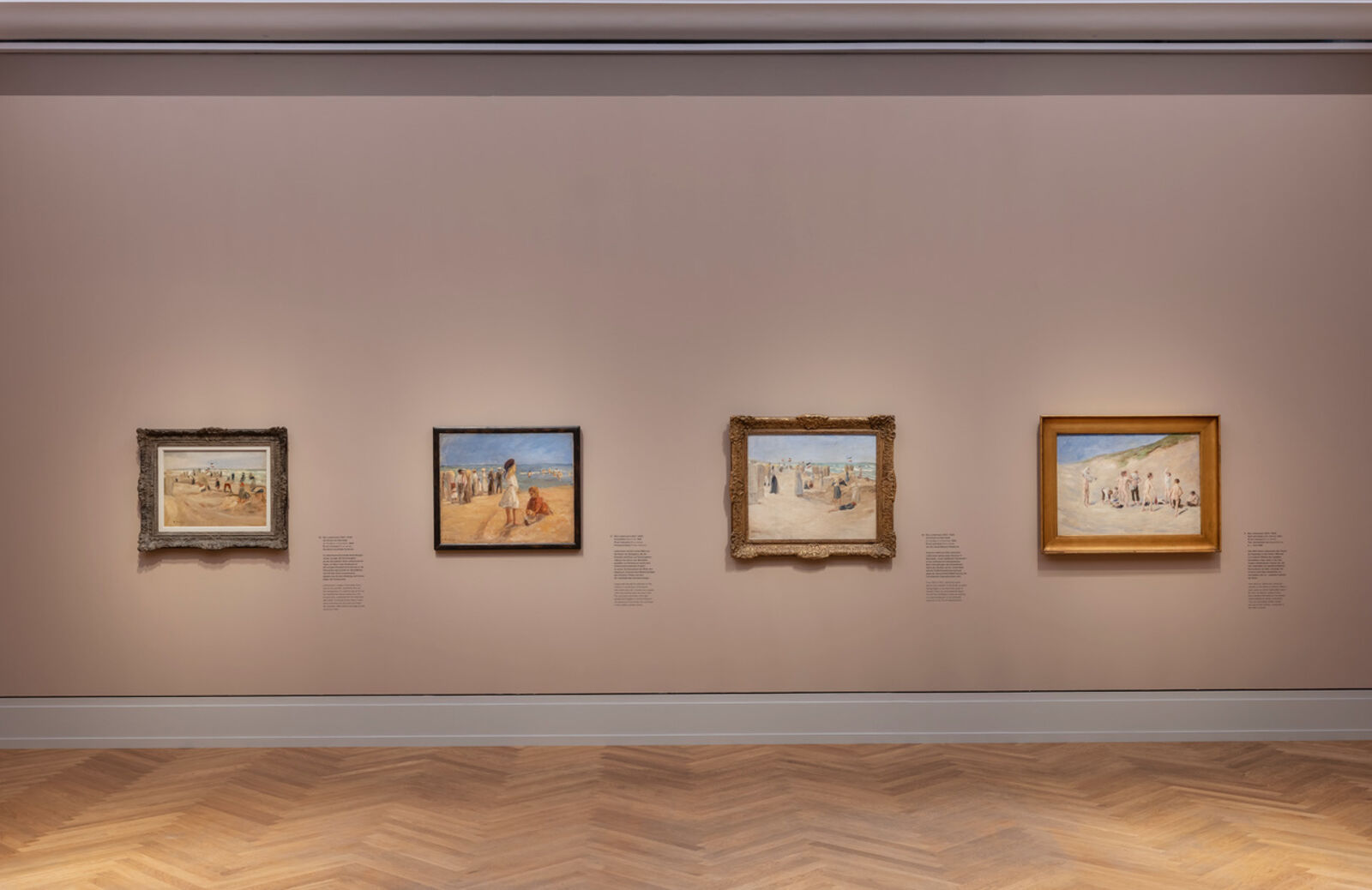
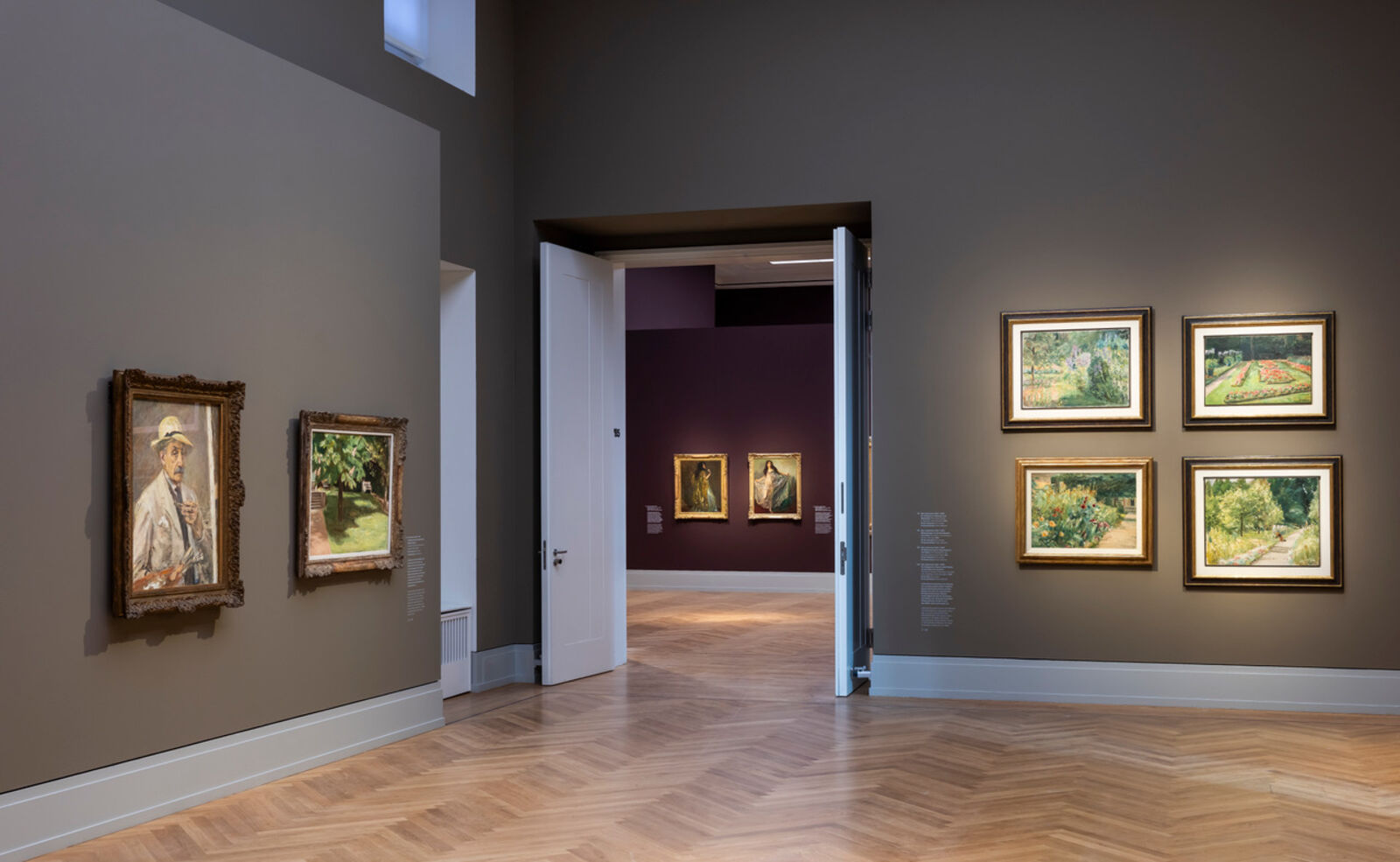
Max Liebermann blazed the trail for the first artistic avant-garde in Germany. With his early and pioneering connection to France, he initiated a renewal of painting that was to have a lasting impact on German Impressionism. With over 110 works from more than sixty international collections, Avant-Garde: Max Liebermann and Impressionism in Germany showed the development of Impressionism in Germany in its full scope.
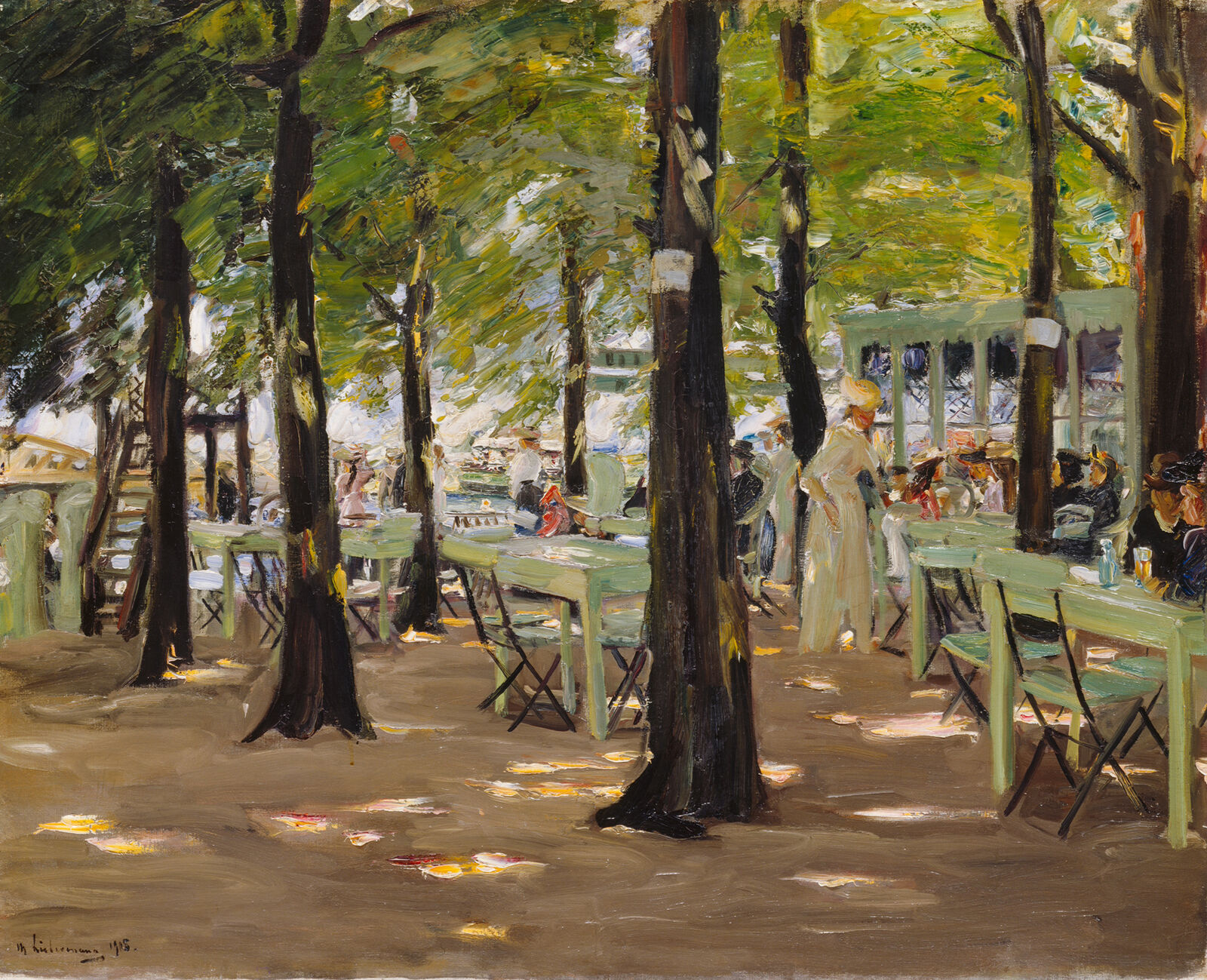
Max Liebermann, Biergarten „De Oude Vink“ bei Leiden, 1905, Kunsthaus Zürich, 1925
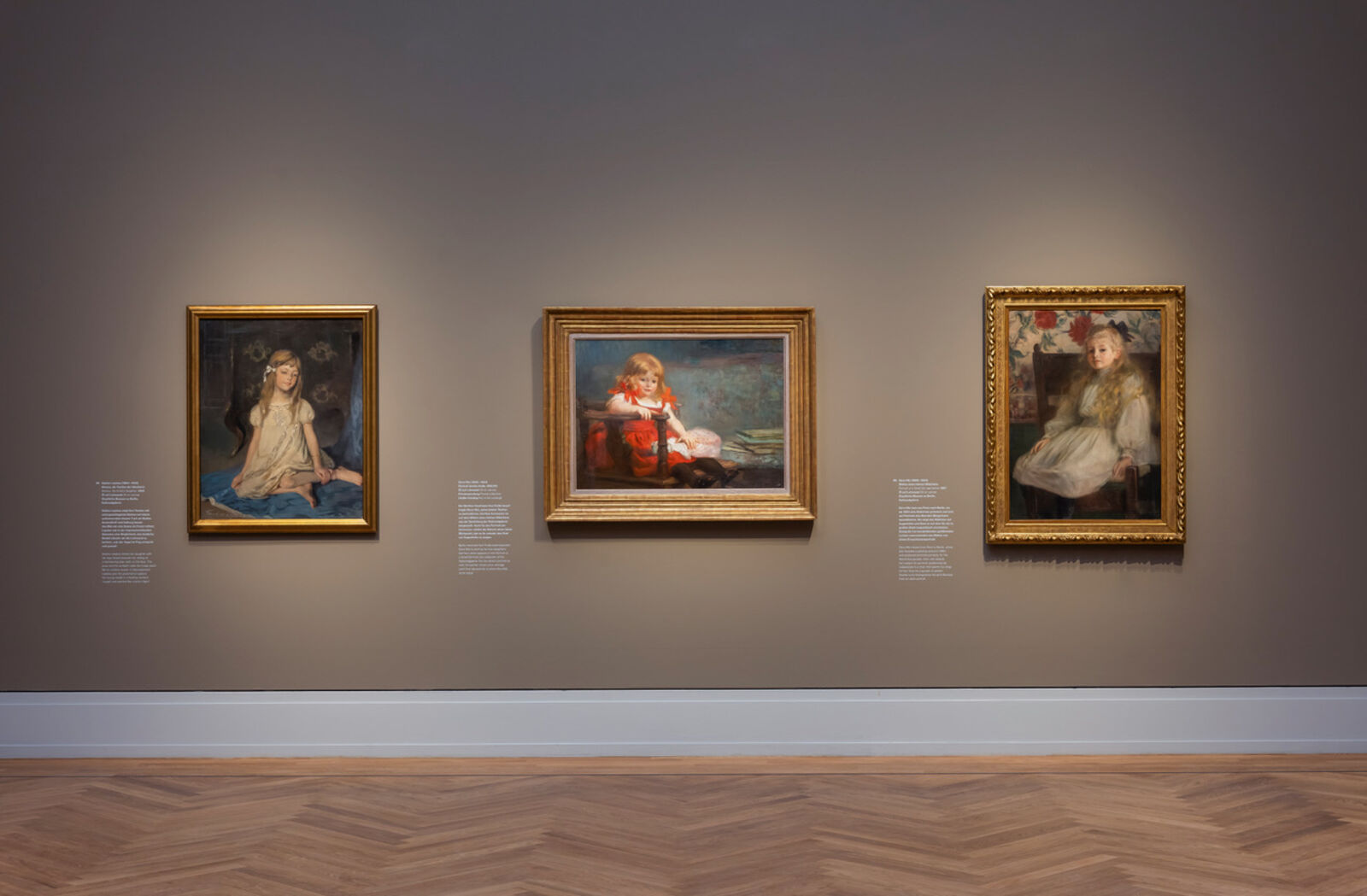
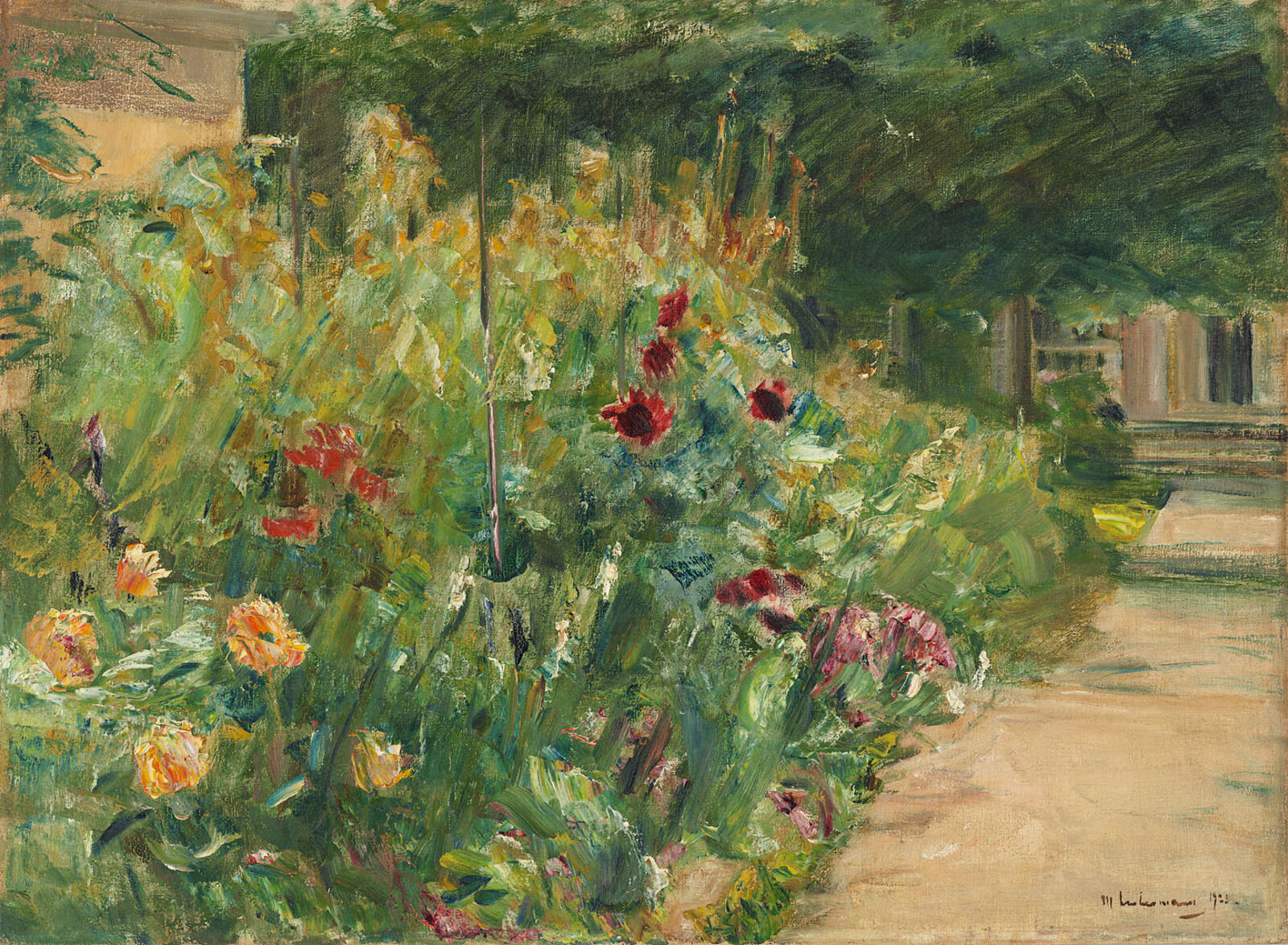
At the center was Liebermann, who played a decisive role in the internationalization of the German art world as a painter, collector, and president of the Berlin Secession. At the same time, the exhibition also demonstrated how a new generation of artists, inspired by French modernism, further developed motifs such as pulsating cityscapes, images of leisure and nature, child portraits, and theater scenes. Alongside key works by Max Liebermann, Lovis Corinth, Max Slevogt, and Fritz von Uhde, the show rediscovered the work of other important artists such as Philipp Franck, Dora Hitz, Gotthardt Kuehl, Sabine Lepsius, Maria Slavona, and Lesser Ury.
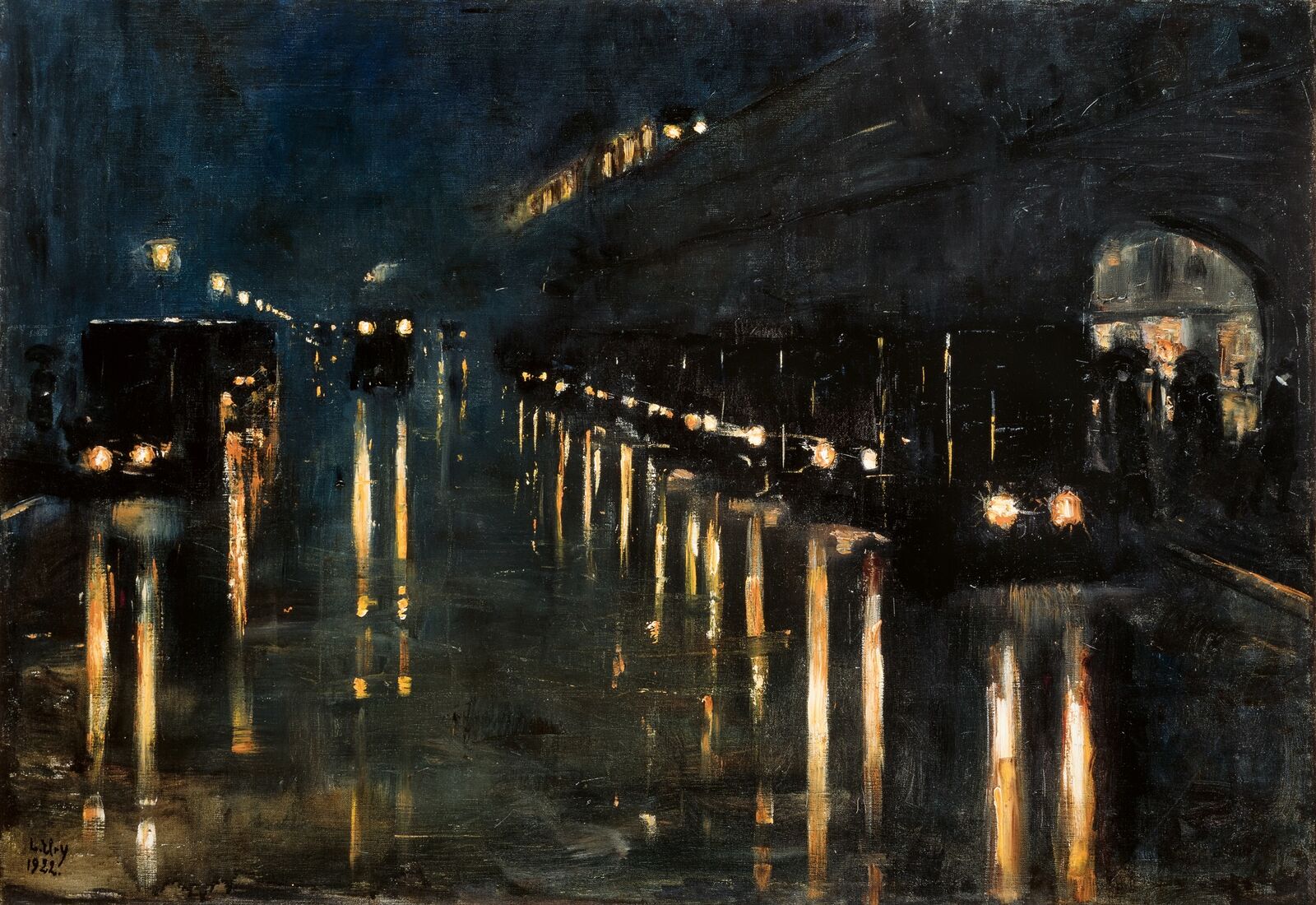
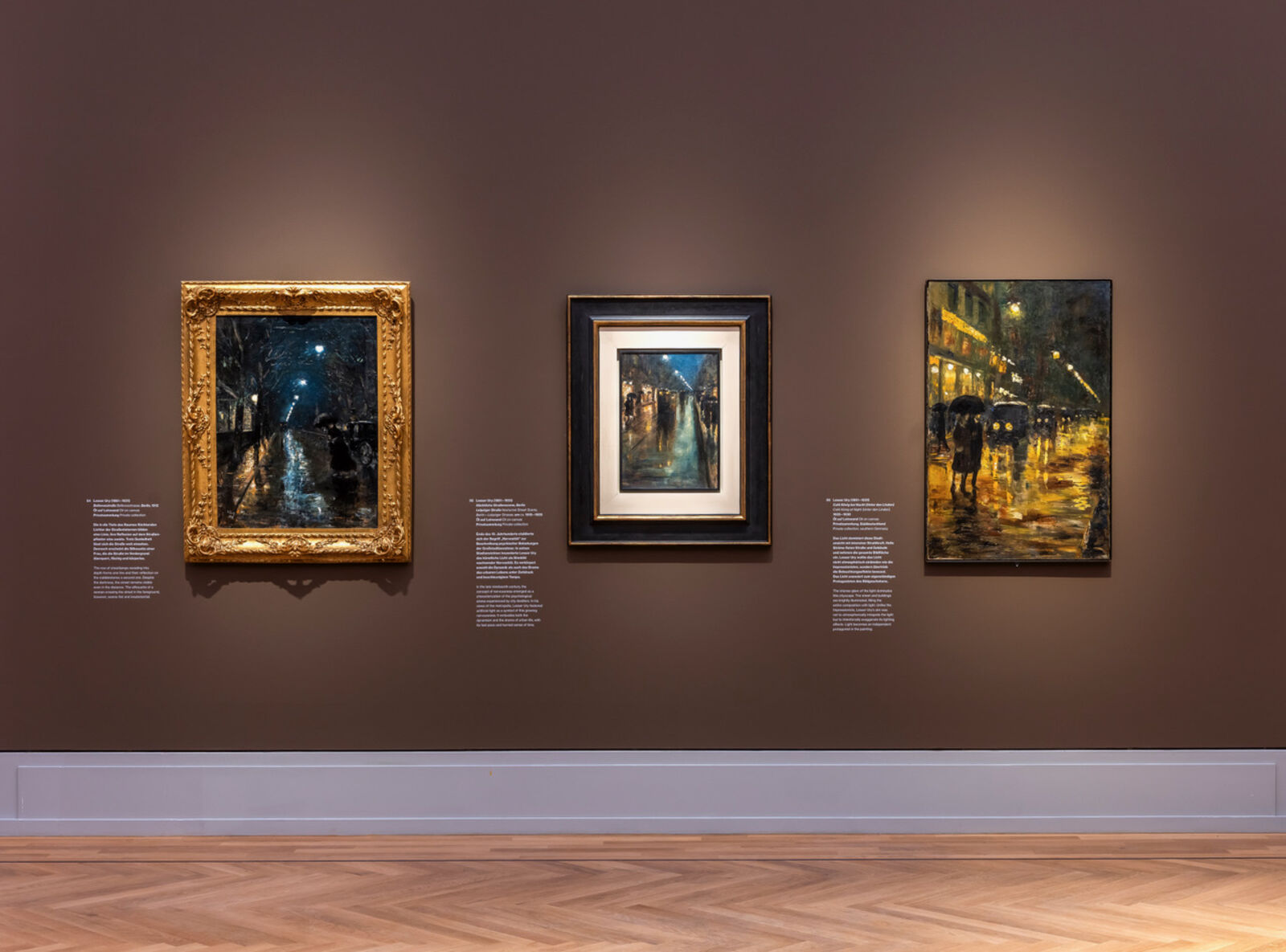
Lesser Ury, Elevated Subway Station at Bülowstrasse, 1922, Private collection, southern Germany
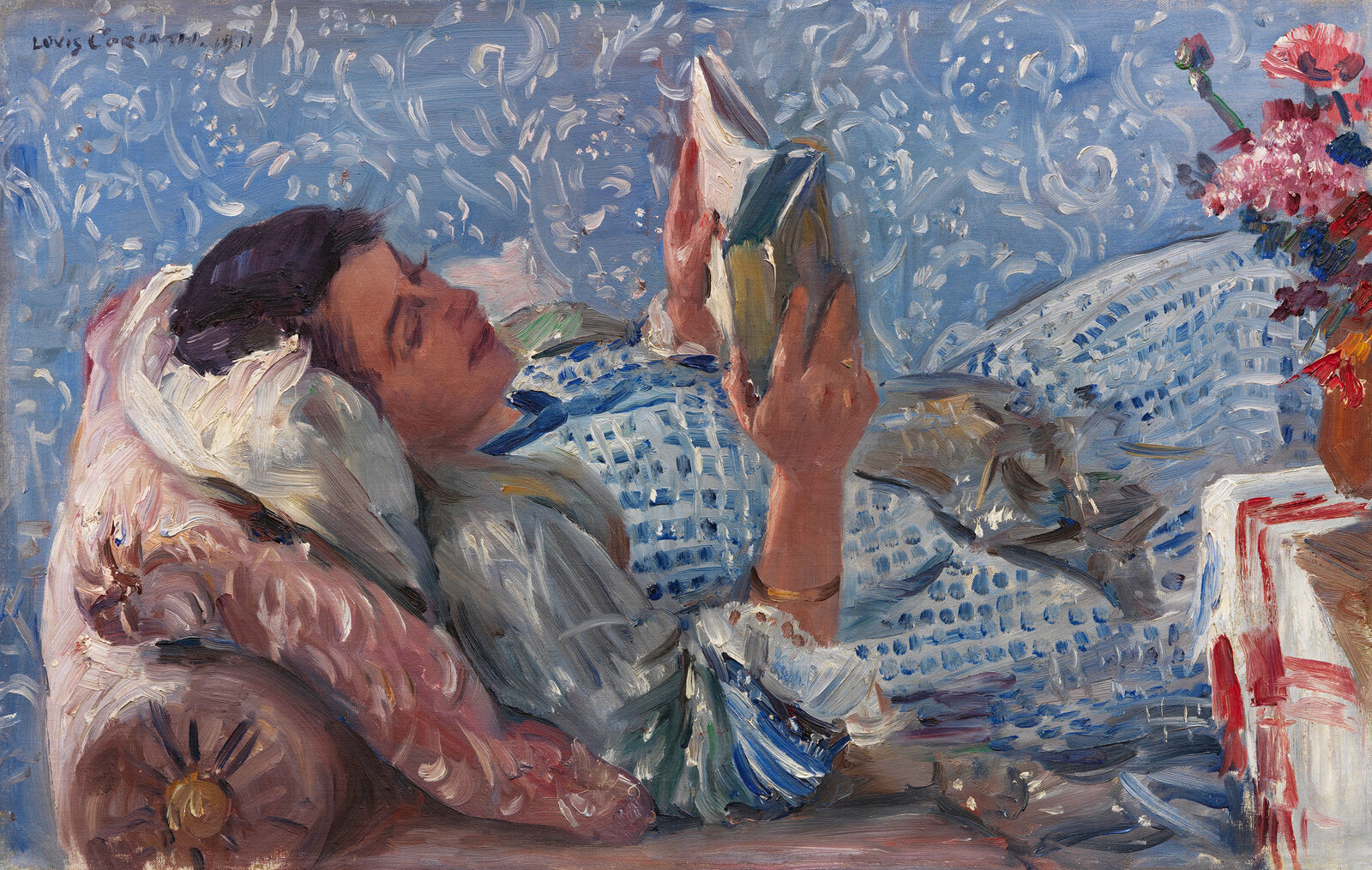
Lovis Corinth, Woman Reading, 1911, Private collection
Ortrud Westheider, Director and Curator, Museum Barberini„To show an exhibition on Impressionism in Germany offers the opportunity to take a fresh look at works from our own art history in an international context. We hope our visitors will experience joy and inspiration from their encounter with the luminous visual worlds of Max Liebermann and his comrades-in-arms—paintings that strikingly demonstrate the painterly skill and emotional power of Impressionism in Germany.“
The show included loans from important collections in Germany and abroad such as the Alte Nationalgalerie in Berlin, the Albertinum, Staatliche Kunstsammlungen Dresden, the Folkwang Museum in Essen, the Städel Museum in Frankfurt, the Neue Pinakothek in Munich, the Museo Nacional Thyssen-Bornemisza in Madrid, the Musée d’Orsay in Paris, and the Belvedere in Vienna. With works by over twenty artists, the exhibition illuminated the broad spectrum of German Impressionism and extends chronologically from the 1880s to the 1930s. It shed light on the impulses emanating from France and their influence before and after World War I. Technological progress, social modernization, and a new mobility gave rise to unprecedented artistic freedom. With its cityscapes and scenes of leisure and nature, the painting of Impressionism, honed in the open air, exemplifies and reflects this epoch of artistic innovation.
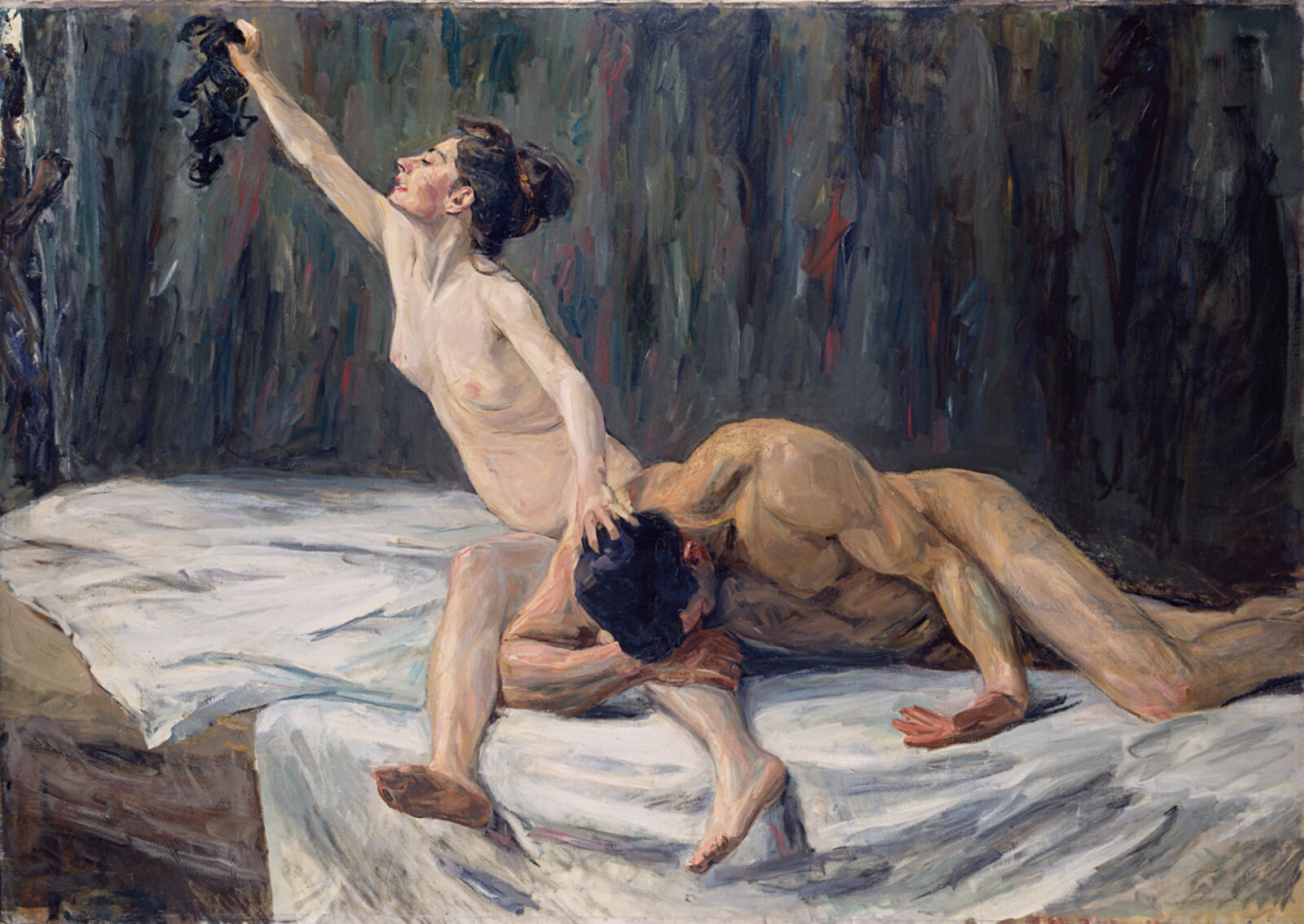
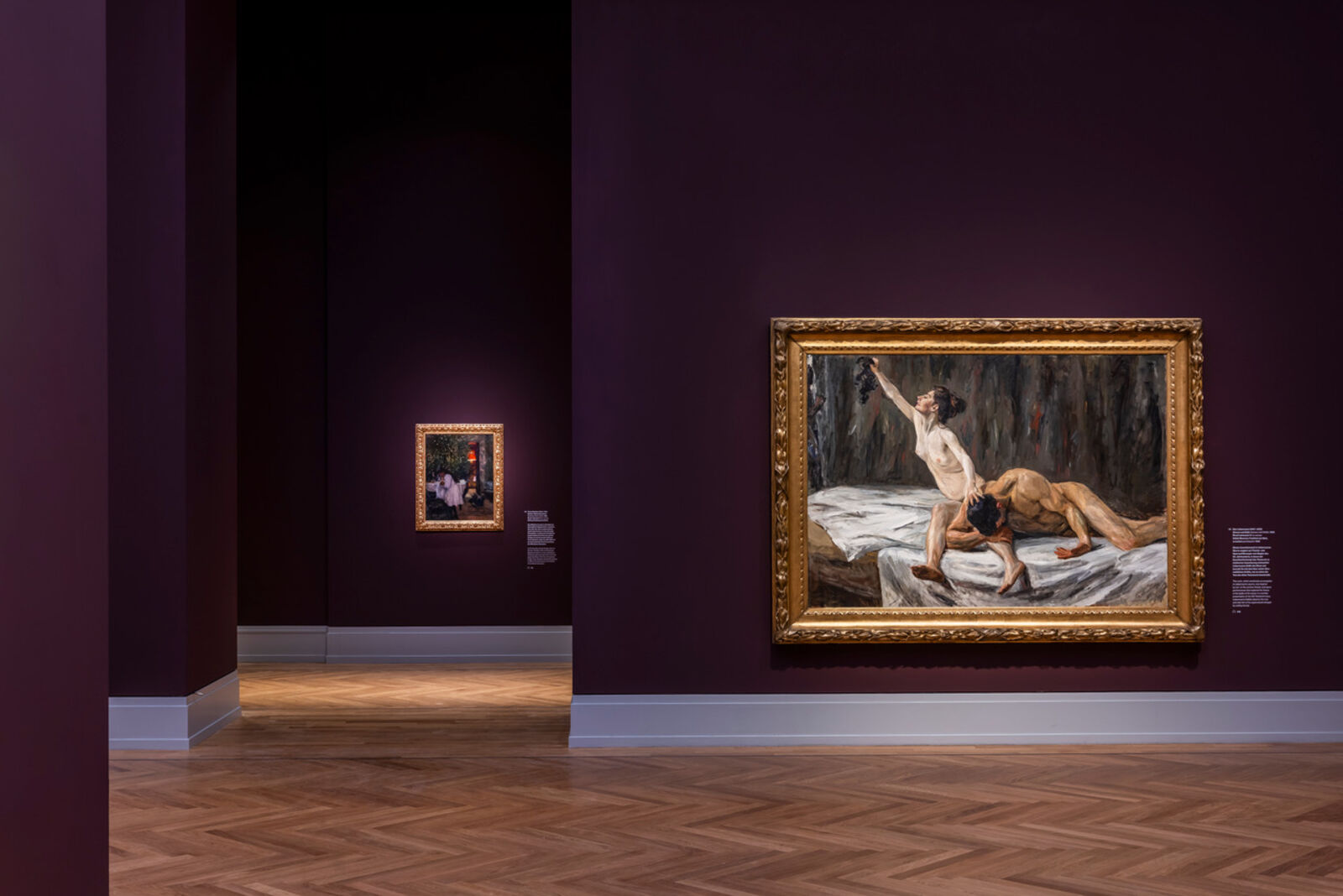
Max Liebermann, Samson and Delilah, 1902, Städel Museum, Frankfurt am Main
Special emphasis was also placed on the long-neglected contribution of women artists to the development of German Impressionism. Even in the conservative German Empire, artists like Charlotte Berend-Corinth, Emilie von Hallavanya, Dora Hitz, Sabine Lepsius, and Maria Slavona were able to assert themselves and create works that now enlarge our understanding of the movement. Another new aspect was the focus on the inspiration German artists garnered in France and the way they applied these influences in their own painting.
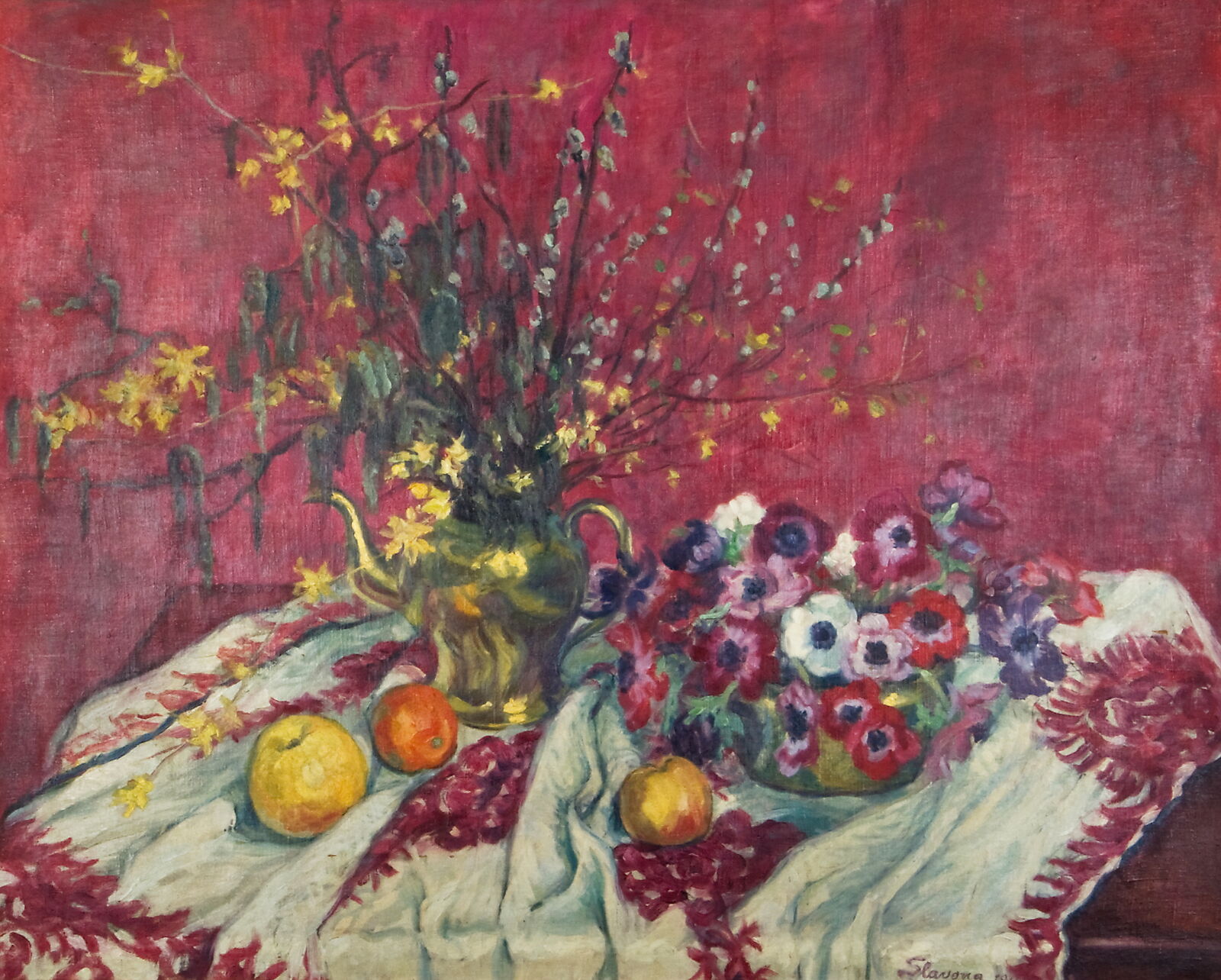
Photo: H. Hünnerkopf
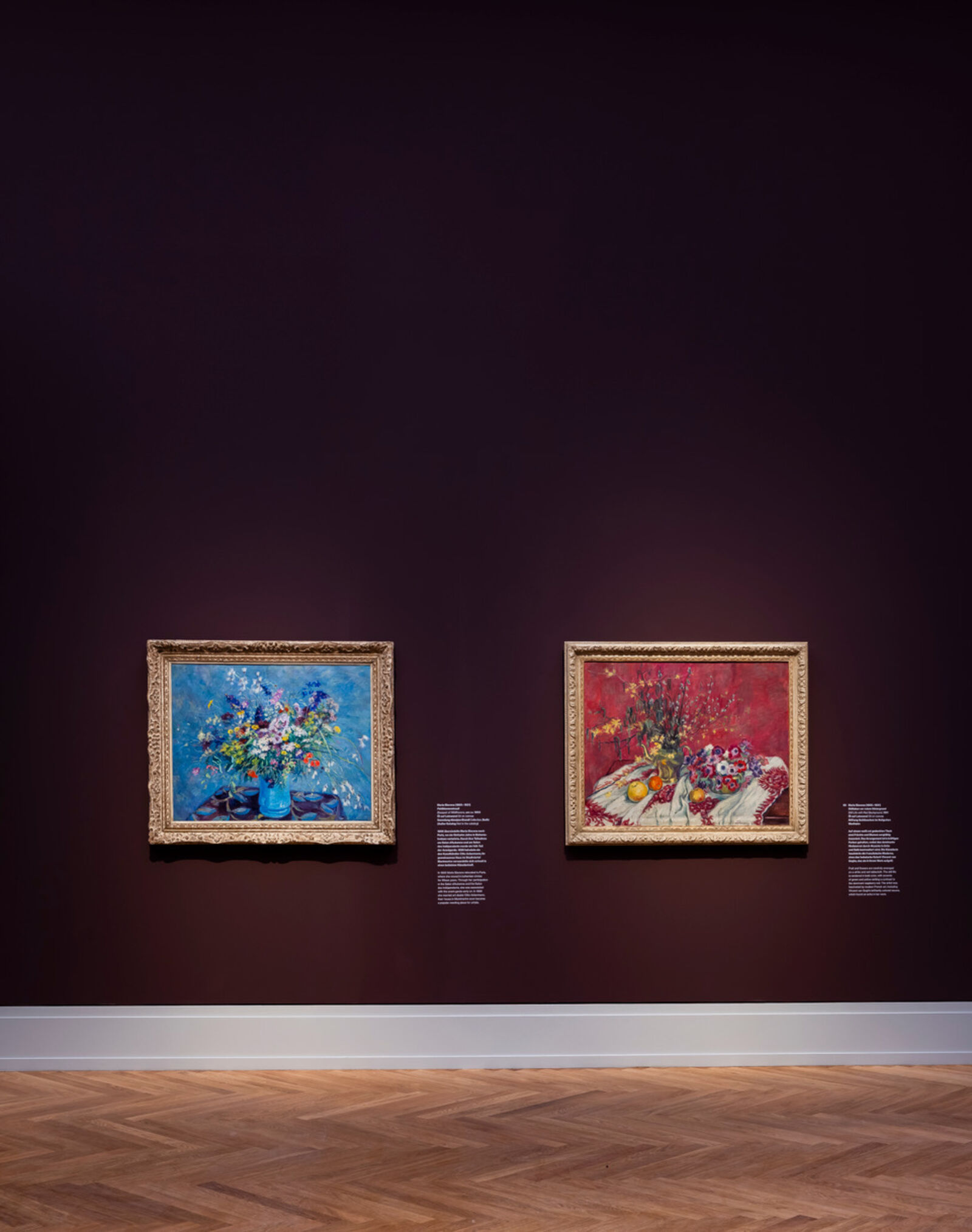
Maria Slavona, Still Life with Red Background, 1911, Stiftung Schlösschen im Hofgarten Wertheim, Wertheim am Main
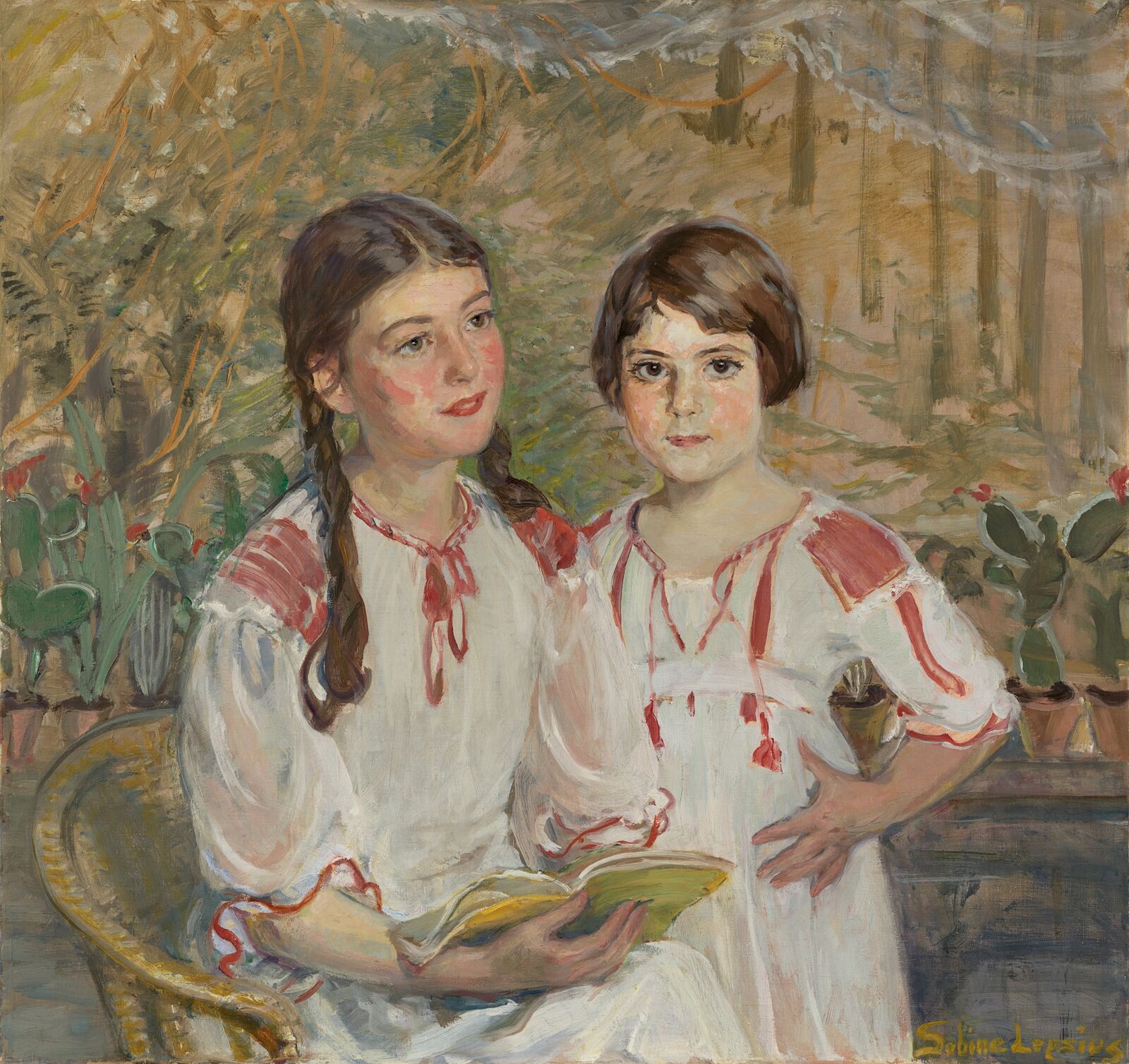
Photo: Jens Ziehe
Sabine Lepsius, Double Portrait of the Sisters Cornelia (Born in 1921) and Charlotte Hahn (Born in 1926), 1932, Jüdisches Museum Berlin
Along with the permanent exhibition of 115 Impressionist and Post-Impressionist works from the Hasso Plattner Collection, the program of the Museum Barberini also showcases international Impressionism. In 2020, the museum presented the exhibition Impressionism in Russia: Dawn of the Avant-Garde, followed in 2023 by Clouds and Light: Impressionism in Holland.
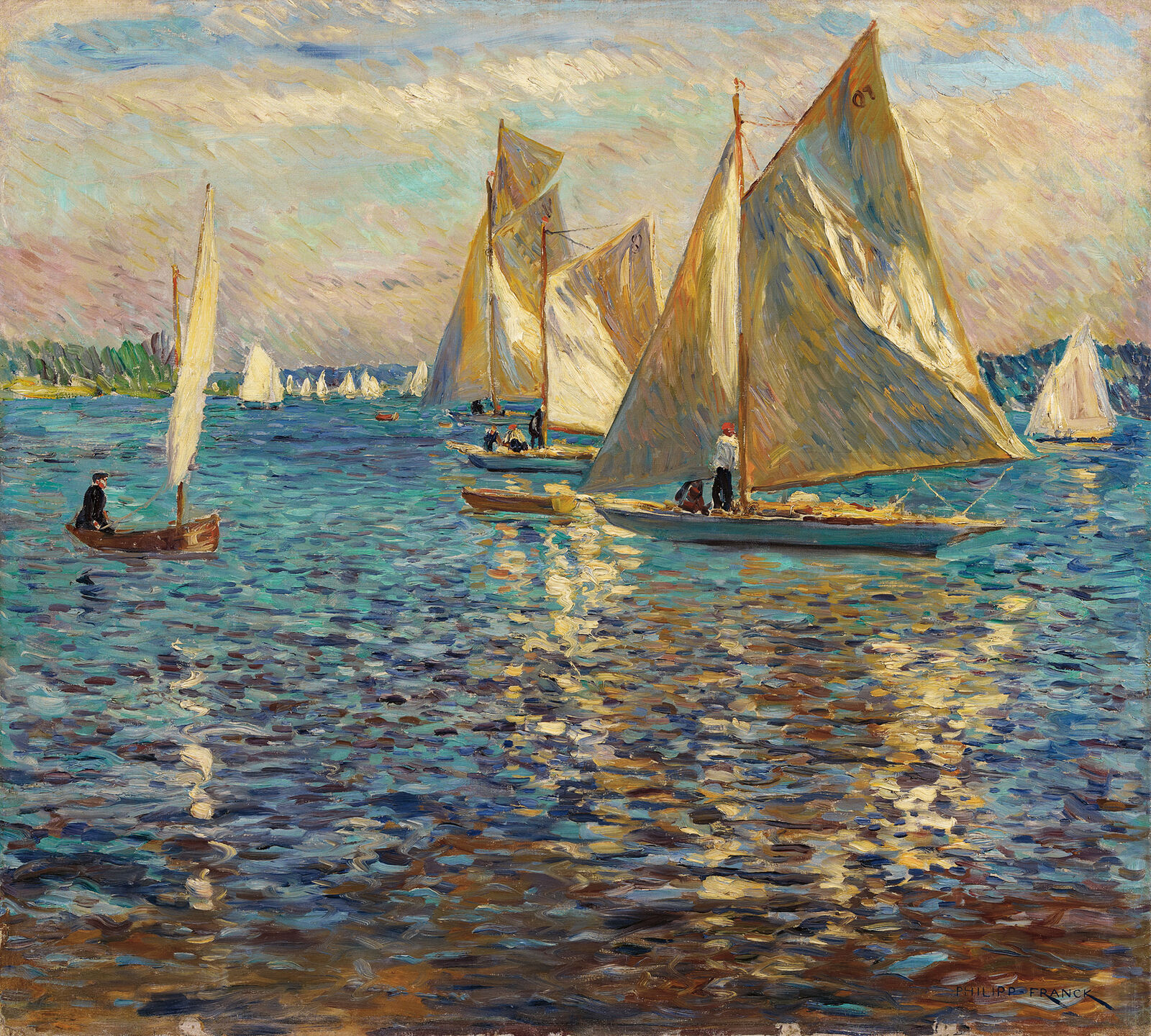
Photo: Kunsthaus Lempertz/Saša Fuis Photographie, Kö
Philipp Franck, Wannsee, 1915, Private collection, Frankfurt am Main
The exhibition and accompanying catalogue developed out of a scholarly symposium presented at the Museum Barberini on December 11, 2024. The exhibition was organized in cooperation with the Museum Frieder Burda, Baden-Baden, and was on view there from October 3, 2025 to February 8, 2026.
The exhibition stood under the patronage of Federal President Frank-Walter Steinmeier.
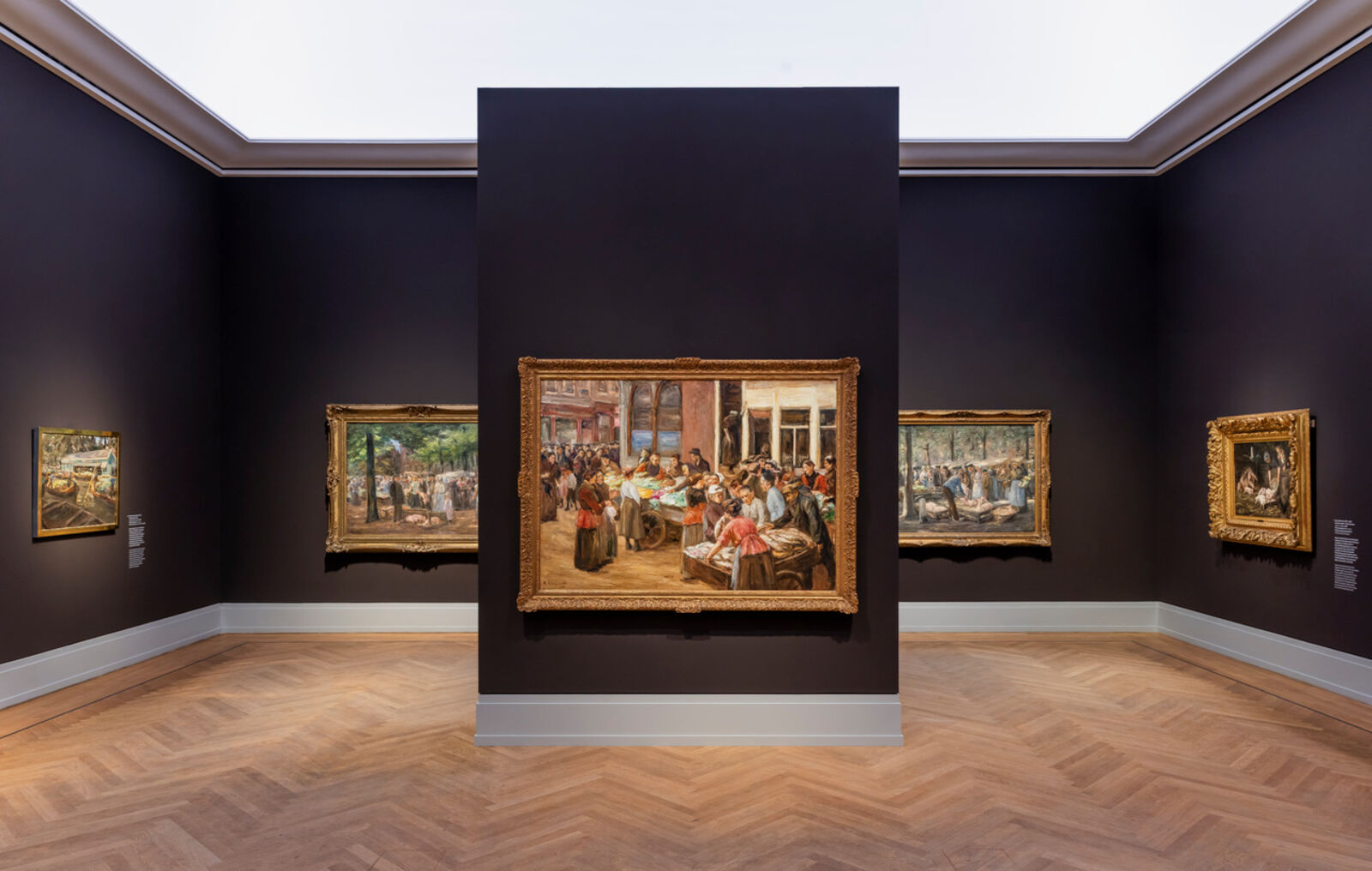
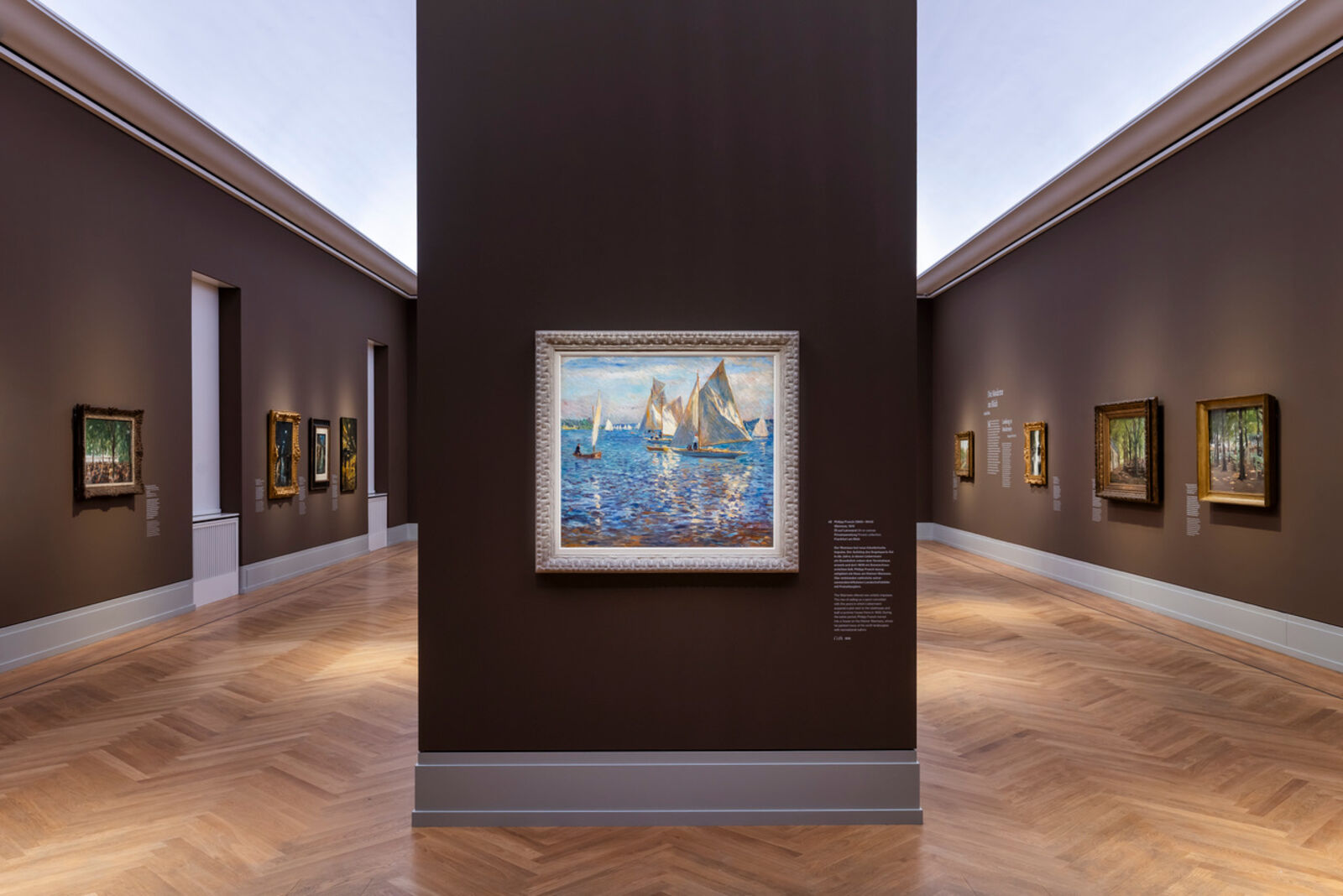
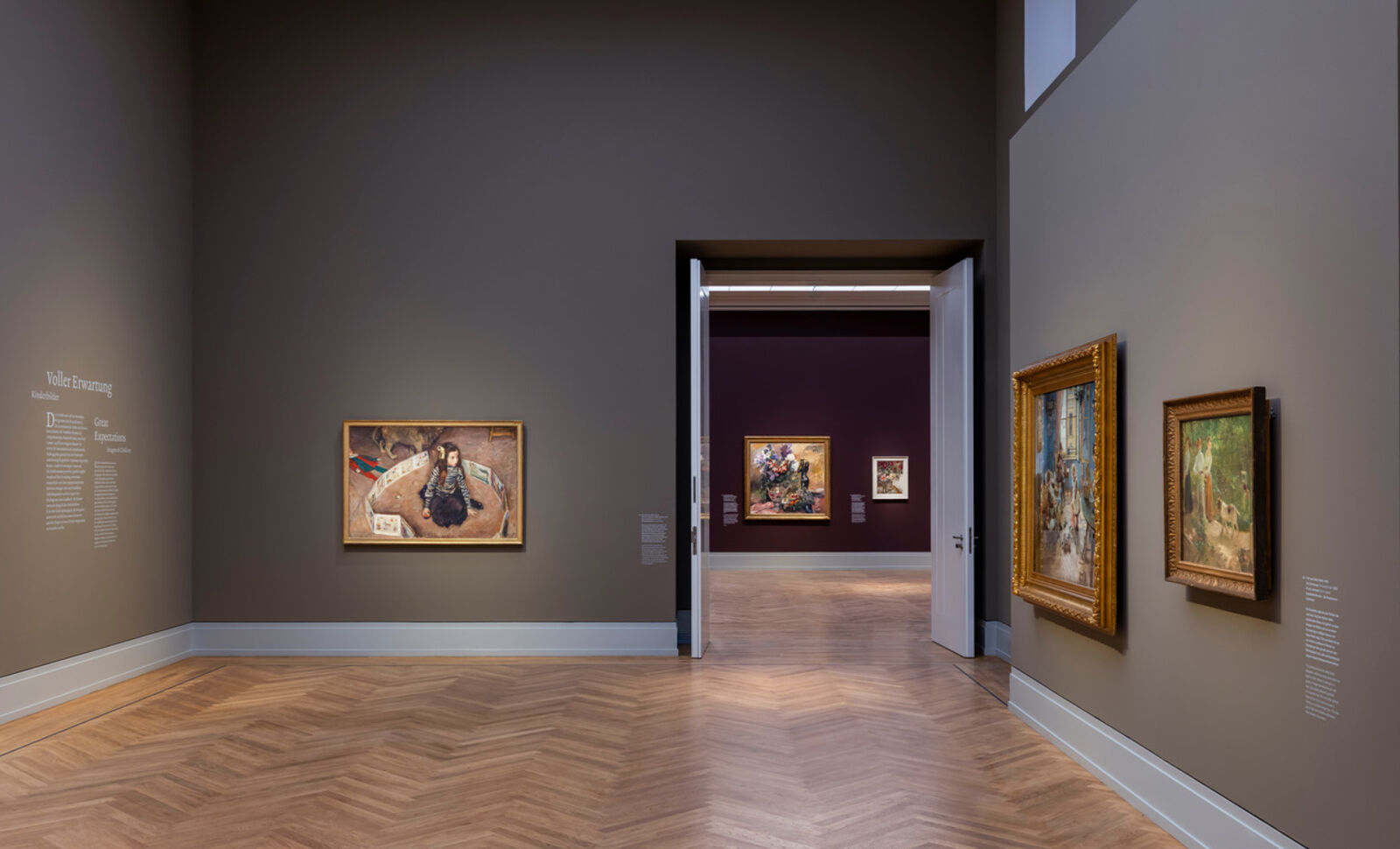
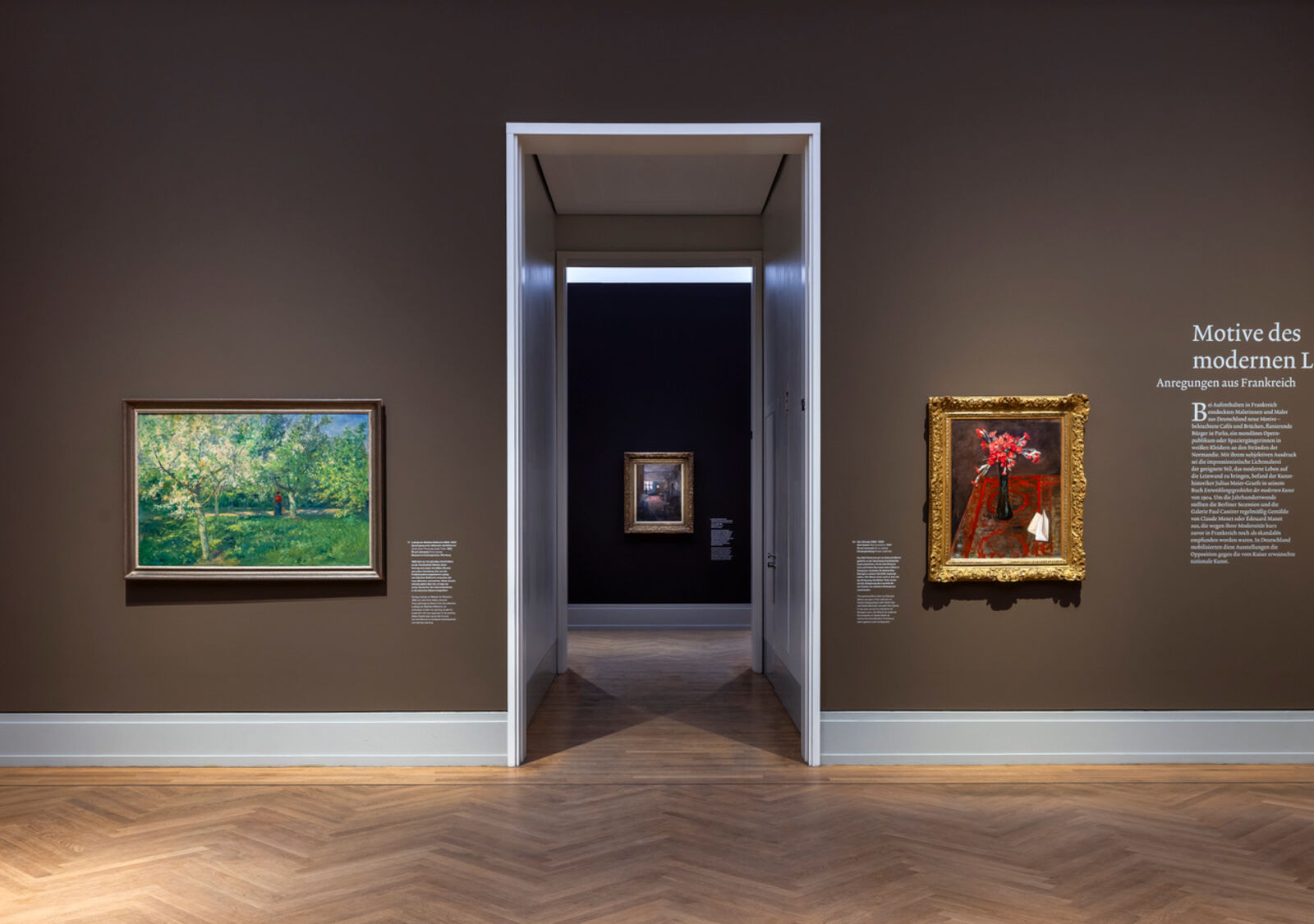
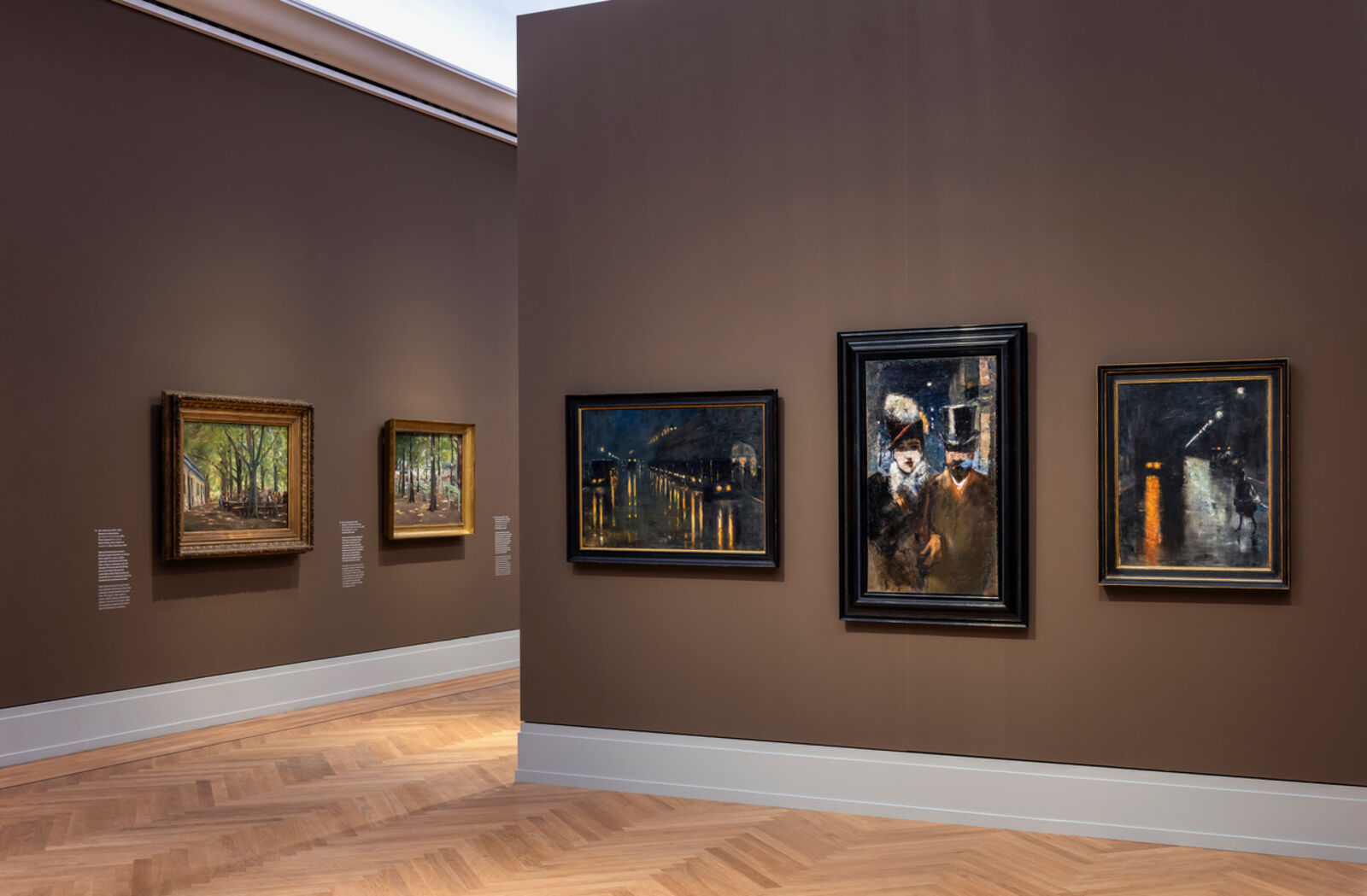
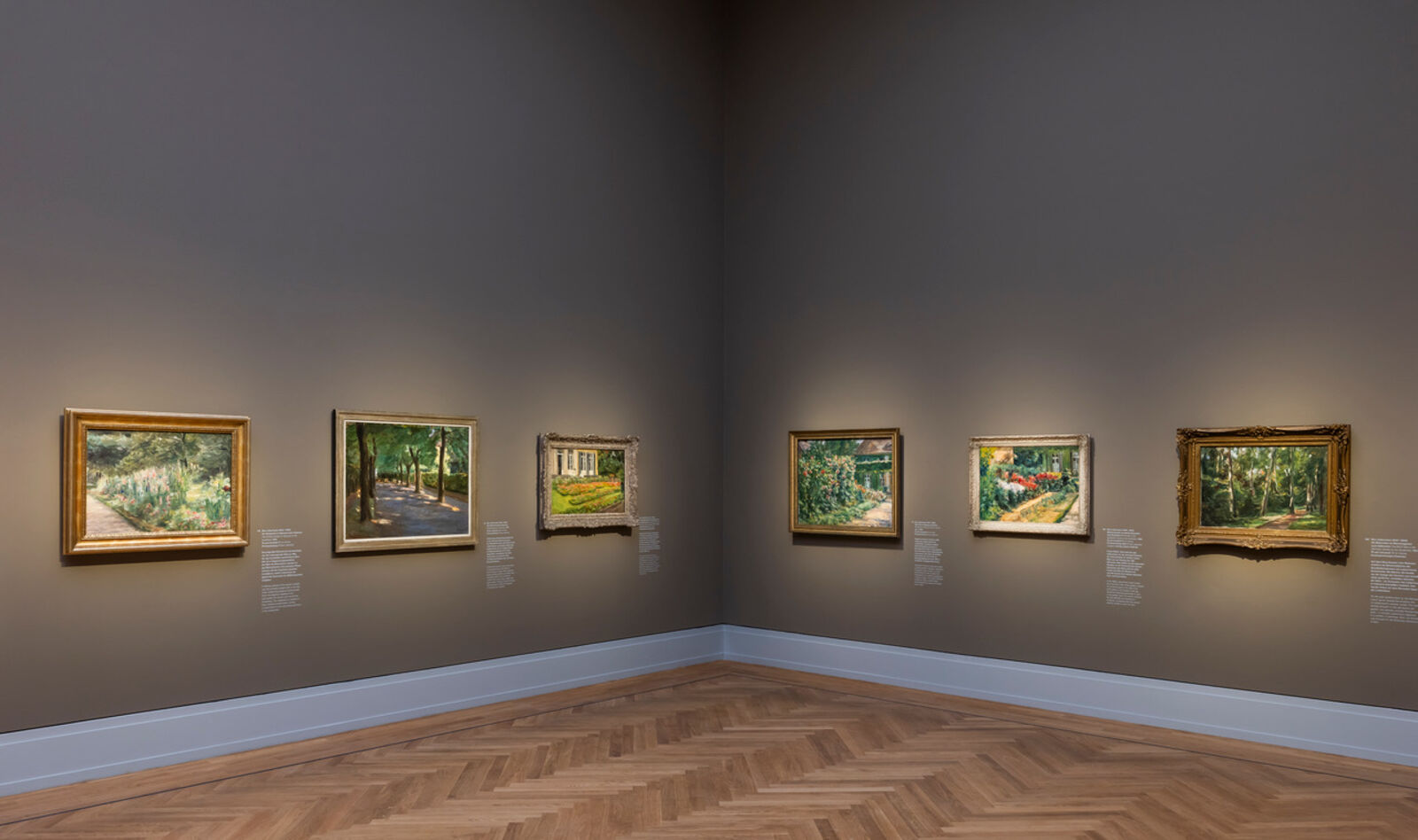
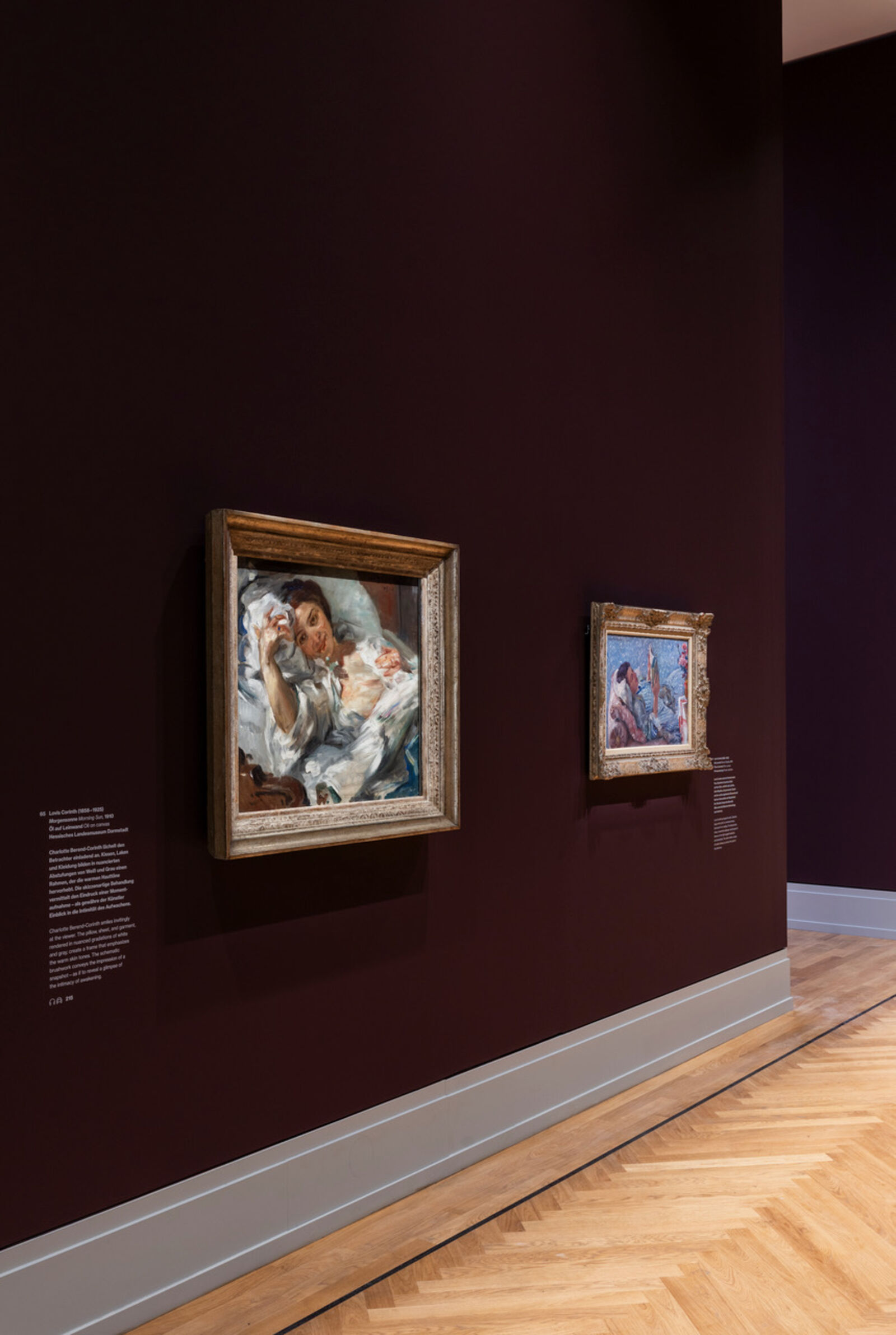
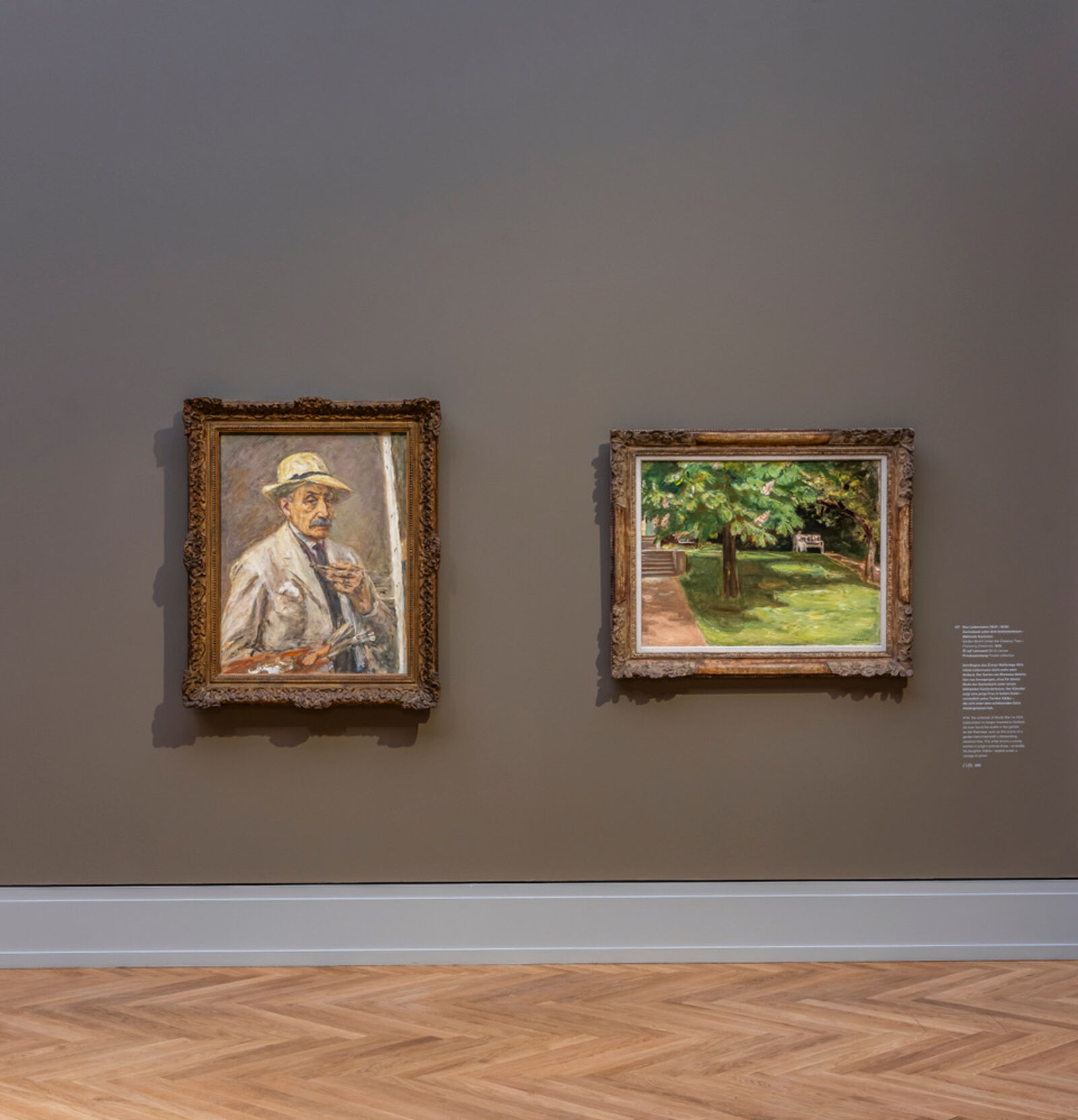
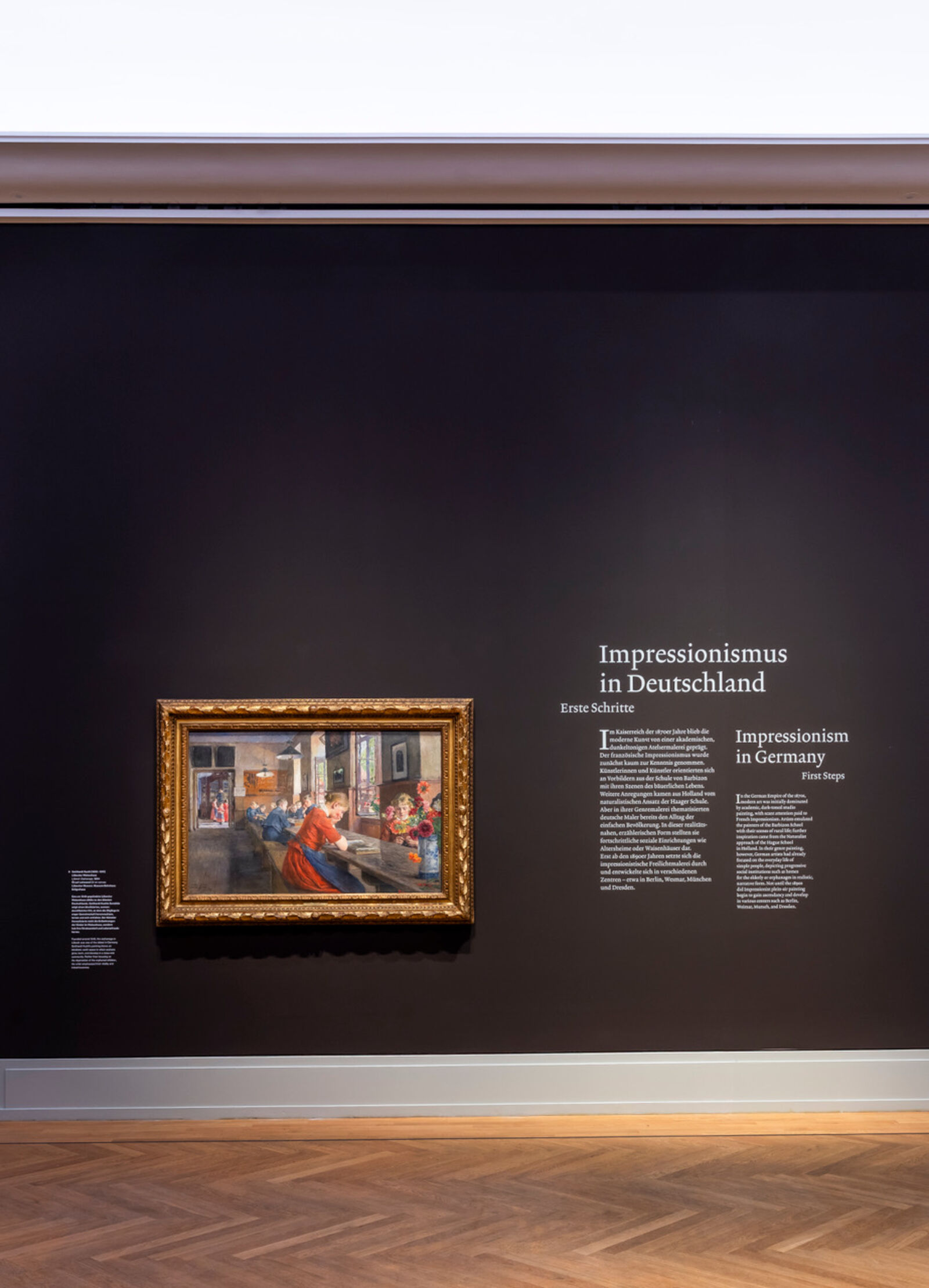
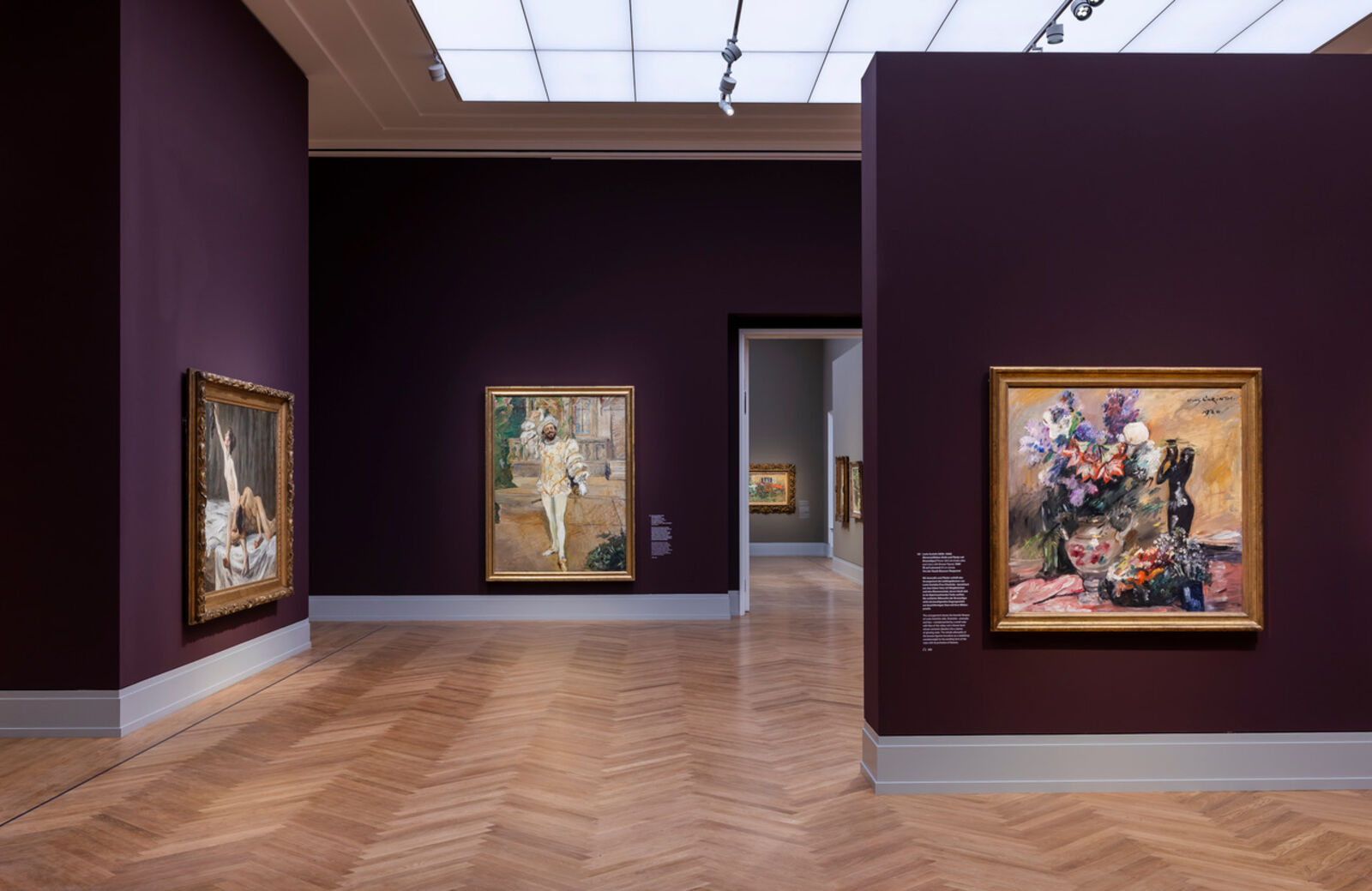
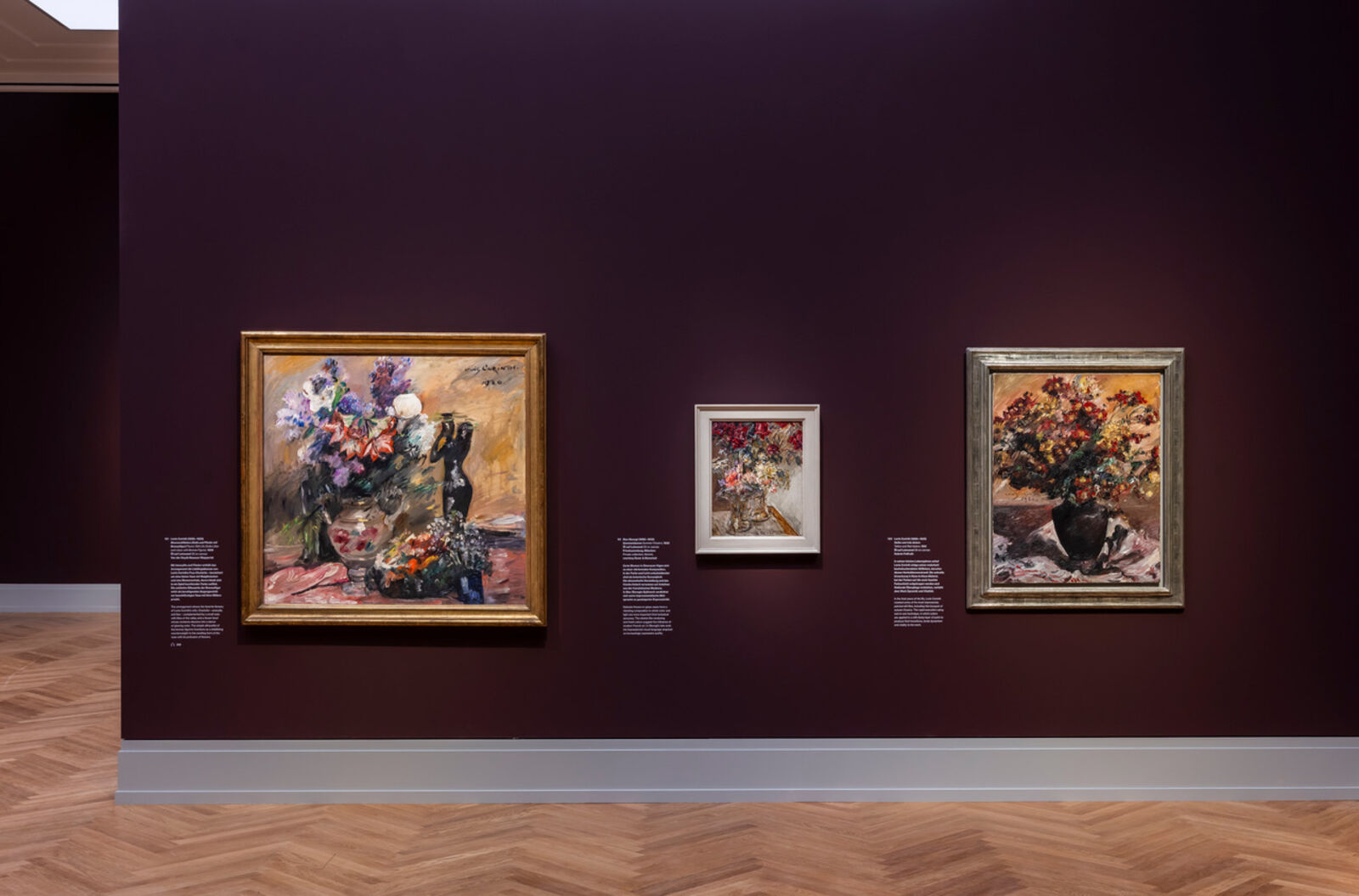
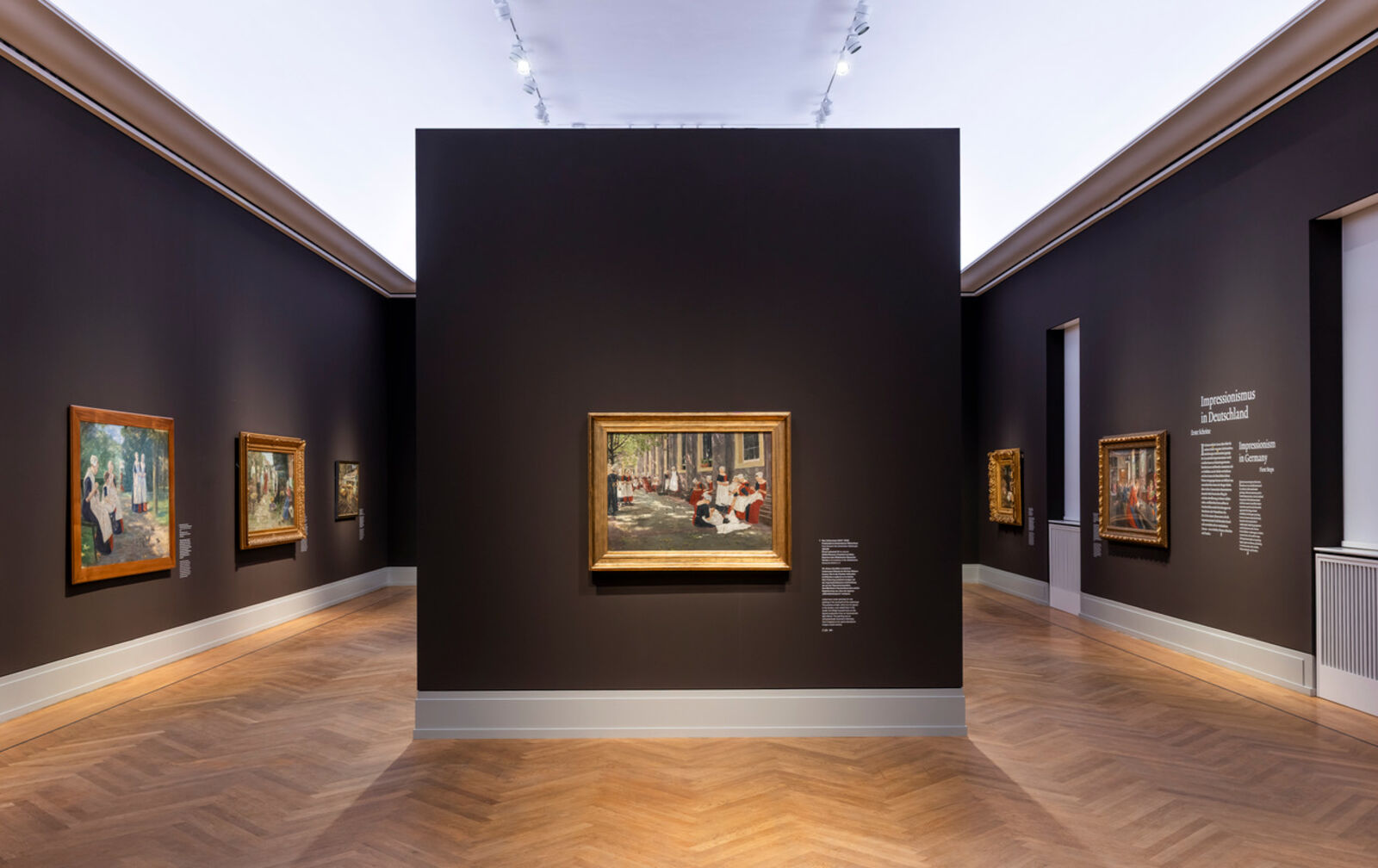
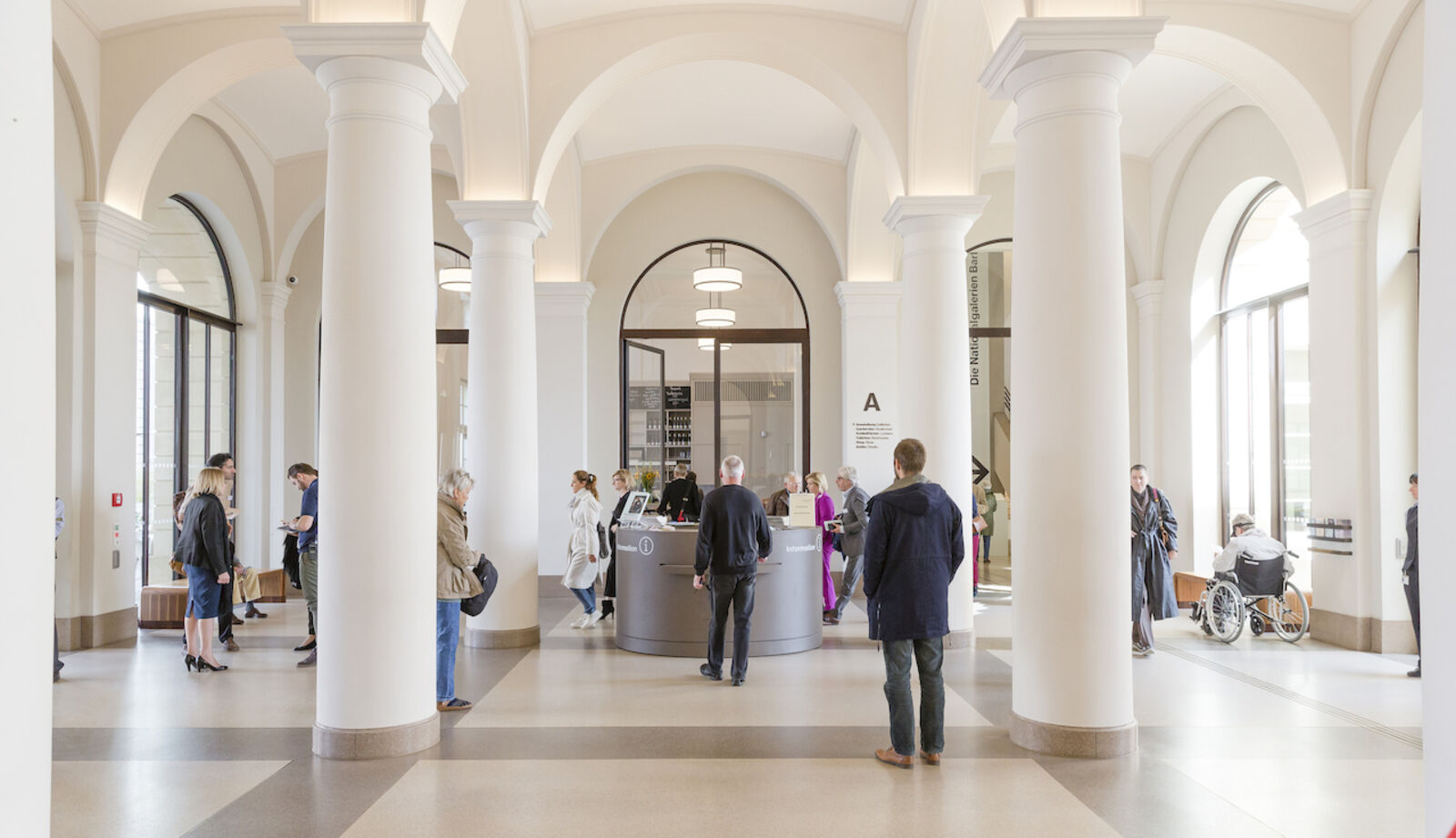
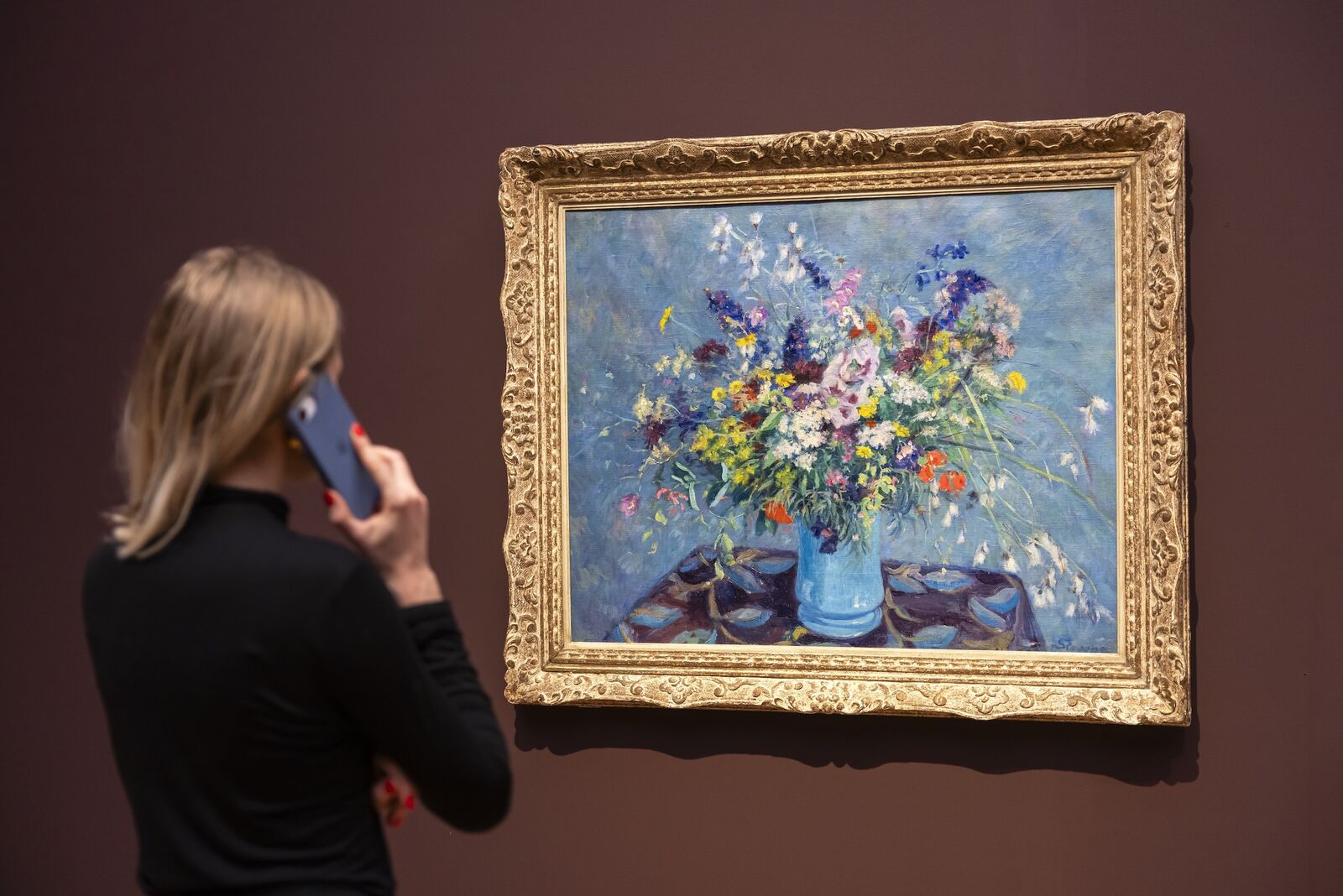
Exhibition Views
Read, Watch, Listen
Media partners
ARTE
Tagesspiegel
Potsdamer Neueste Nachrichten
radio3
tip Berlin
Yorck Kino
The Berliner
Süddeutsche Zeitung