Warning: Undefined property: stdClass::$_type in /var/www/vhosts/museum-barberini.com/museum-barberini.com/cache/templates/5bb9ba73b3065f593842c7b5d667d1759a6e0fa8_0.file.element_blocks.tpl.php on line 62
Warning: Undefined property: stdClass::$_type in /var/www/vhosts/museum-barberini.com/museum-barberini.com/cache/templates/5bb9ba73b3065f593842c7b5d667d1759a6e0fa8_0.file.element_blocks.tpl.php on line 62
Warning: Undefined property: stdClass::$_type in /var/www/vhosts/museum-barberini.com/museum-barberini.com/cache/templates/5bb9ba73b3065f593842c7b5d667d1759a6e0fa8_0.file.element_blocks.tpl.php on line 65
Warning: Undefined property: stdClass::$_type in /var/www/vhosts/museum-barberini.com/museum-barberini.com/cache/templates/5bb9ba73b3065f593842c7b5d667d1759a6e0fa8_0.file.element_blocks.tpl.php on line 68
Warning: Undefined property: stdClass::$_type in /var/www/vhosts/museum-barberini.com/museum-barberini.com/cache/templates/5bb9ba73b3065f593842c7b5d667d1759a6e0fa8_0.file.element_blocks.tpl.php on line 71
Warning: Undefined property: stdClass::$_type in /var/www/vhosts/museum-barberini.com/museum-barberini.com/cache/templates/5bb9ba73b3065f593842c7b5d667d1759a6e0fa8_0.file.element_blocks.tpl.php on line 74
Warning: Undefined property: stdClass::$_type in /var/www/vhosts/museum-barberini.com/museum-barberini.com/cache/templates/5bb9ba73b3065f593842c7b5d667d1759a6e0fa8_0.file.element_blocks.tpl.php on line 77
Warning: Undefined property: stdClass::$_type in /var/www/vhosts/museum-barberini.com/museum-barberini.com/cache/templates/5bb9ba73b3065f593842c7b5d667d1759a6e0fa8_0.file.element_blocks.tpl.php on line 80
Warning: Undefined property: stdClass::$_type in /var/www/vhosts/museum-barberini.com/museum-barberini.com/cache/templates/5bb9ba73b3065f593842c7b5d667d1759a6e0fa8_0.file.element_blocks.tpl.php on line 80
Warning: Undefined property: stdClass::$_type in /var/www/vhosts/museum-barberini.com/museum-barberini.com/cache/templates/5bb9ba73b3065f593842c7b5d667d1759a6e0fa8_0.file.element_blocks.tpl.php on line 83
Warning: Undefined property: stdClass::$_type in /var/www/vhosts/museum-barberini.com/museum-barberini.com/cache/templates/5bb9ba73b3065f593842c7b5d667d1759a6e0fa8_0.file.element_blocks.tpl.php on line 86
Warning: Undefined property: stdClass::$_type in /var/www/vhosts/museum-barberini.com/museum-barberini.com/cache/templates/5bb9ba73b3065f593842c7b5d667d1759a6e0fa8_0.file.element_blocks.tpl.php on line 86
Warning: Undefined property: stdClass::$_type in /var/www/vhosts/museum-barberini.com/museum-barberini.com/cache/templates/5bb9ba73b3065f593842c7b5d667d1759a6e0fa8_0.file.element_blocks.tpl.php on line 91
Warning: Undefined property: stdClass::$_type in /var/www/vhosts/museum-barberini.com/museum-barberini.com/cache/templates/5bb9ba73b3065f593842c7b5d667d1759a6e0fa8_0.file.element_blocks.tpl.php on line 94
Warning: Undefined property: stdClass::$_type in /var/www/vhosts/museum-barberini.com/museum-barberini.com/cache/templates/5bb9ba73b3065f593842c7b5d667d1759a6e0fa8_0.file.element_blocks.tpl.php on line 97
Warning: Undefined property: stdClass::$_type in /var/www/vhosts/museum-barberini.com/museum-barberini.com/cache/templates/5bb9ba73b3065f593842c7b5d667d1759a6e0fa8_0.file.element_blocks.tpl.php on line 97
Warning: Undefined property: stdClass::$_type in /var/www/vhosts/museum-barberini.com/museum-barberini.com/cache/templates/5bb9ba73b3065f593842c7b5d667d1759a6e0fa8_0.file.element_blocks.tpl.php on line 97
Warning: Undefined property: stdClass::$_type in /var/www/vhosts/museum-barberini.com/museum-barberini.com/cache/templates/5bb9ba73b3065f593842c7b5d667d1759a6e0fa8_0.file.element_blocks.tpl.php on line 97
Warning: Undefined property: stdClass::$_type in /var/www/vhosts/museum-barberini.com/museum-barberini.com/cache/templates/5bb9ba73b3065f593842c7b5d667d1759a6e0fa8_0.file.element_blocks.tpl.php on line 100
Warning: Undefined property: stdClass::$_type in /var/www/vhosts/museum-barberini.com/museum-barberini.com/cache/templates/5bb9ba73b3065f593842c7b5d667d1759a6e0fa8_0.file.element_blocks.tpl.php on line 103
Warning: Undefined property: stdClass::$_type in /var/www/vhosts/museum-barberini.com/museum-barberini.com/cache/templates/5bb9ba73b3065f593842c7b5d667d1759a6e0fa8_0.file.element_blocks.tpl.php on line 106
Warning: Undefined property: stdClass::$_type in /var/www/vhosts/museum-barberini.com/museum-barberini.com/cache/templates/5bb9ba73b3065f593842c7b5d667d1759a6e0fa8_0.file.element_blocks.tpl.php on line 109
Warning: Undefined property: stdClass::$_type in /var/www/vhosts/museum-barberini.com/museum-barberini.com/cache/templates/5bb9ba73b3065f593842c7b5d667d1759a6e0fa8_0.file.element_blocks.tpl.php on line 112
Warning: Undefined property: stdClass::$_type in /var/www/vhosts/museum-barberini.com/museum-barberini.com/cache/templates/5bb9ba73b3065f593842c7b5d667d1759a6e0fa8_0.file.element_blocks.tpl.php on line 112
Warning: Undefined property: stdClass::$_type in /var/www/vhosts/museum-barberini.com/museum-barberini.com/cache/templates/5bb9ba73b3065f593842c7b5d667d1759a6e0fa8_0.file.element_blocks.tpl.php on line 126
Warning: Undefined property: stdClass::$_type in /var/www/vhosts/museum-barberini.com/museum-barberini.com/cache/templates/5bb9ba73b3065f593842c7b5d667d1759a6e0fa8_0.file.element_blocks.tpl.php on line 129
Warning: Undefined property: stdClass::$_type in /var/www/vhosts/museum-barberini.com/museum-barberini.com/cache/templates/5bb9ba73b3065f593842c7b5d667d1759a6e0fa8_0.file.element_blocks.tpl.php on line 132
Warning: Undefined property: stdClass::$_type in /var/www/vhosts/museum-barberini.com/museum-barberini.com/cache/templates/5bb9ba73b3065f593842c7b5d667d1759a6e0fa8_0.file.element_blocks.tpl.php on line 135
Warning: Undefined property: stdClass::$_type in /var/www/vhosts/museum-barberini.com/museum-barberini.com/cache/templates/5bb9ba73b3065f593842c7b5d667d1759a6e0fa8_0.file.element_blocks.tpl.php on line 144
Warning: Undefined property: stdClass::$_type in /var/www/vhosts/museum-barberini.com/museum-barberini.com/cache/templates/5bb9ba73b3065f593842c7b5d667d1759a6e0fa8_0.file.element_blocks.tpl.php on line 147
Warning: Undefined property: stdClass::$_type in /var/www/vhosts/museum-barberini.com/museum-barberini.com/cache/templates/5bb9ba73b3065f593842c7b5d667d1759a6e0fa8_0.file.element_blocks.tpl.php on line 150
Warning: Undefined property: stdClass::$_type in /var/www/vhosts/museum-barberini.com/museum-barberini.com/cache/templates/5bb9ba73b3065f593842c7b5d667d1759a6e0fa8_0.file.element_blocks.tpl.php on line 153
Warning: Undefined property: stdClass::$_type in /var/www/vhosts/museum-barberini.com/museum-barberini.com/cache/templates/5bb9ba73b3065f593842c7b5d667d1759a6e0fa8_0.file.element_blocks.tpl.php on line 156
Warning: Undefined property: stdClass::$_type in /var/www/vhosts/museum-barberini.com/museum-barberini.com/cache/templates/5bb9ba73b3065f593842c7b5d667d1759a6e0fa8_0.file.element_blocks.tpl.php on line 159
Warning: Undefined property: stdClass::$_type in /var/www/vhosts/museum-barberini.com/museum-barberini.com/cache/templates/5bb9ba73b3065f593842c7b5d667d1759a6e0fa8_0.file.element_blocks.tpl.php on line 162
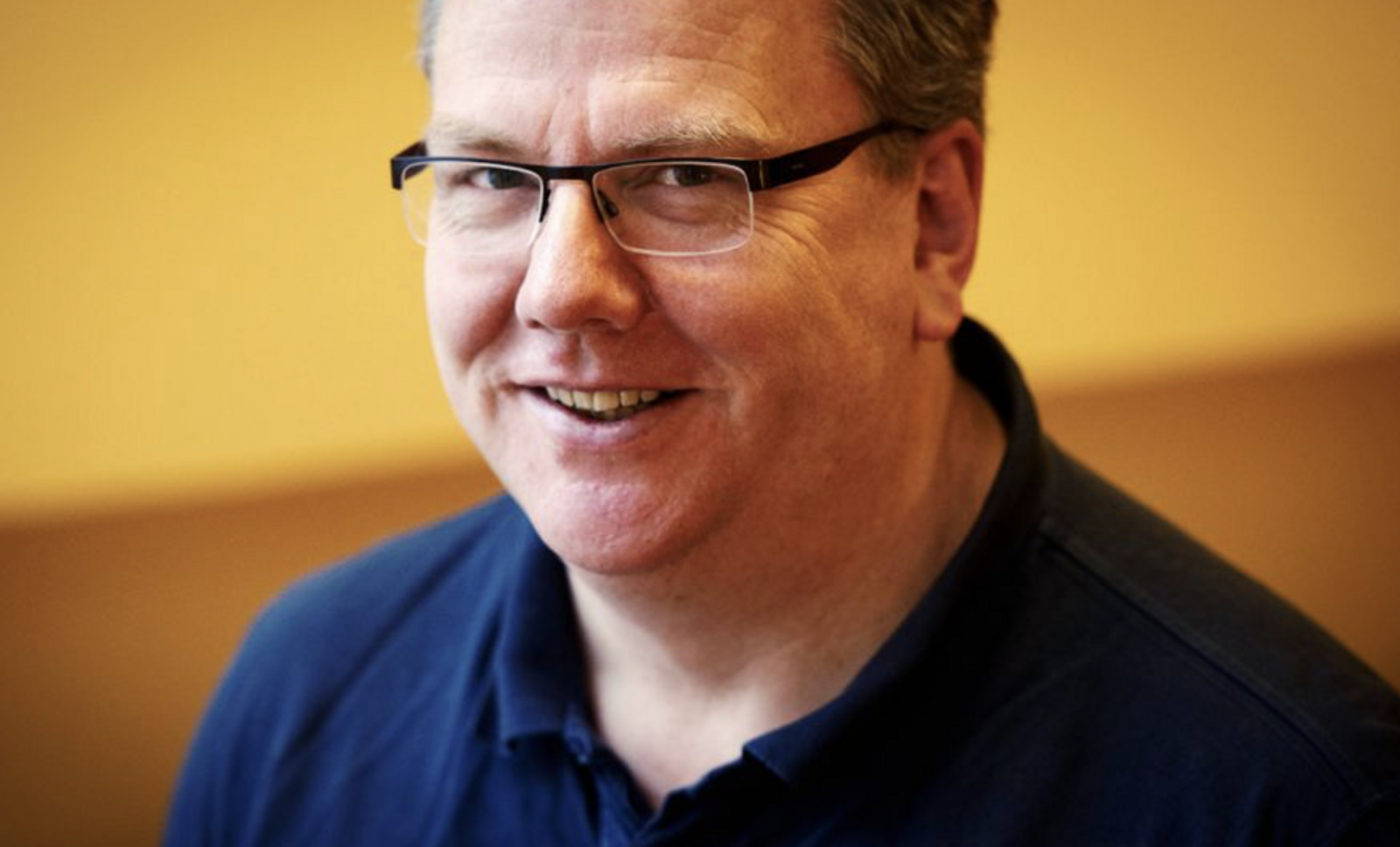
Nikolaus Bernau on the Mythical Creature in Art
Palace décor, hot-pink squeaky toys, the LGBT flag: unicorns remain part of the history of art and religion to this day—but above all of everyday life and culture in the Western world. In a four-part series, cultural journalist Nikolaus Bernau explores the mythical creature in art on rbb’s Kulturradio, radio3 (in German).
The first episode focuses on tapestries from Brandenburg to Paris. One little-known yet extraordinary work on view comes from St. Gotthardt’s Church in Brandenburg an der Havel, which has loaned a unique 15th-century tapestry measuring 5.5 meters in length, with a unicorn depicted at its center. Kept in the church for centuries, the tapestry was cleaned and restored especially for the unicorn exhibition at the Museum Barberini.
At the very beginning of the exhibition The Unicorn in Art at the Museum Barberini in Potsdam, visitors encounter a Dutch painting featuring a massive, horse-like unicorn that appears anything but cute. Right beside it, displayed in a glass case, is a unicorn from China. What connects the two, and why does the unicorn appear so brutal? Bernau investigates these questions in Part Two.
In the third episode, Bernau examines the collections of Berlin’s museums and traces the paths of influential collectors—from Friedrich Wilhelm IV and Wilhelm von Bode to James Simon. The fourth and final episode is all about today’s unicorns — colorful, queer, political, and sharp-witted.