

The Impressionists: Monet, Morisot, Renoir, and Their Network
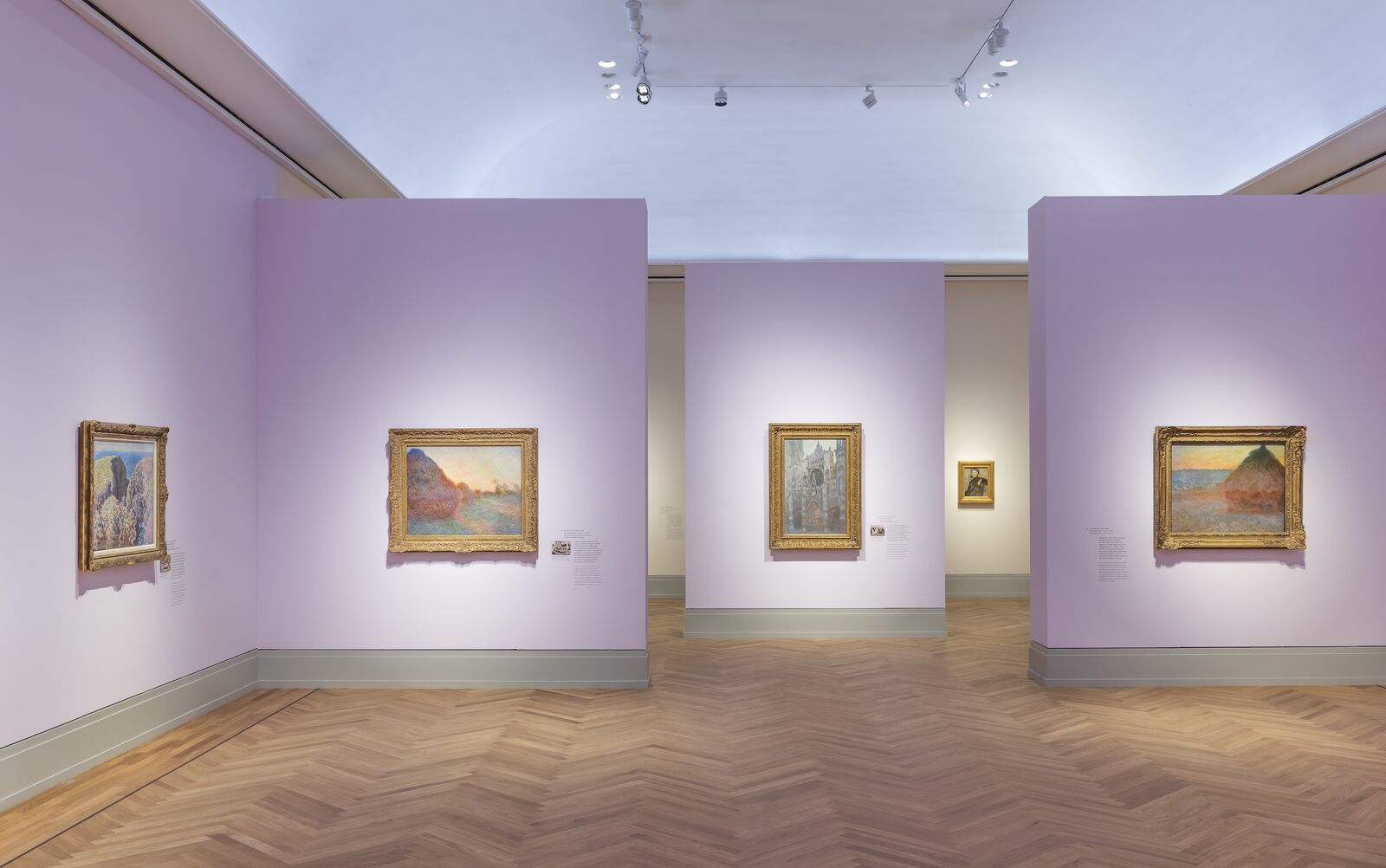
How did a small group of young artists, whose paintings were initially met with rejection, come to be known as perhaps the most popular art movement of the modern era? To mark the Museums Barberini's tenth anniversary, the major anniversary exhibition The Impressionists: Monet, Morisot, Renoir, and Their Network retells the story of Impressionism: as a story of friendships and patrons, courageous collectors, influential art dealers and critics—and of personal relationships that carried an artistic revolution from Paris out into the world.
The anniversary exhibition also serves as a retrospective of the Museum Barberini's work since its opening in 2017. Building on the Hasso Plattner Collection, the museum has devoted itself intensively to Impressionism over the past ten years—through exhibitions featuring international artists, scholarly symposia, and major publications. To mark the anniversary, works on loan from many museums with which the Barberini has collaborated in recent years are now being brought together in a single exhibition.
Mäel Dugerdil, Geneva
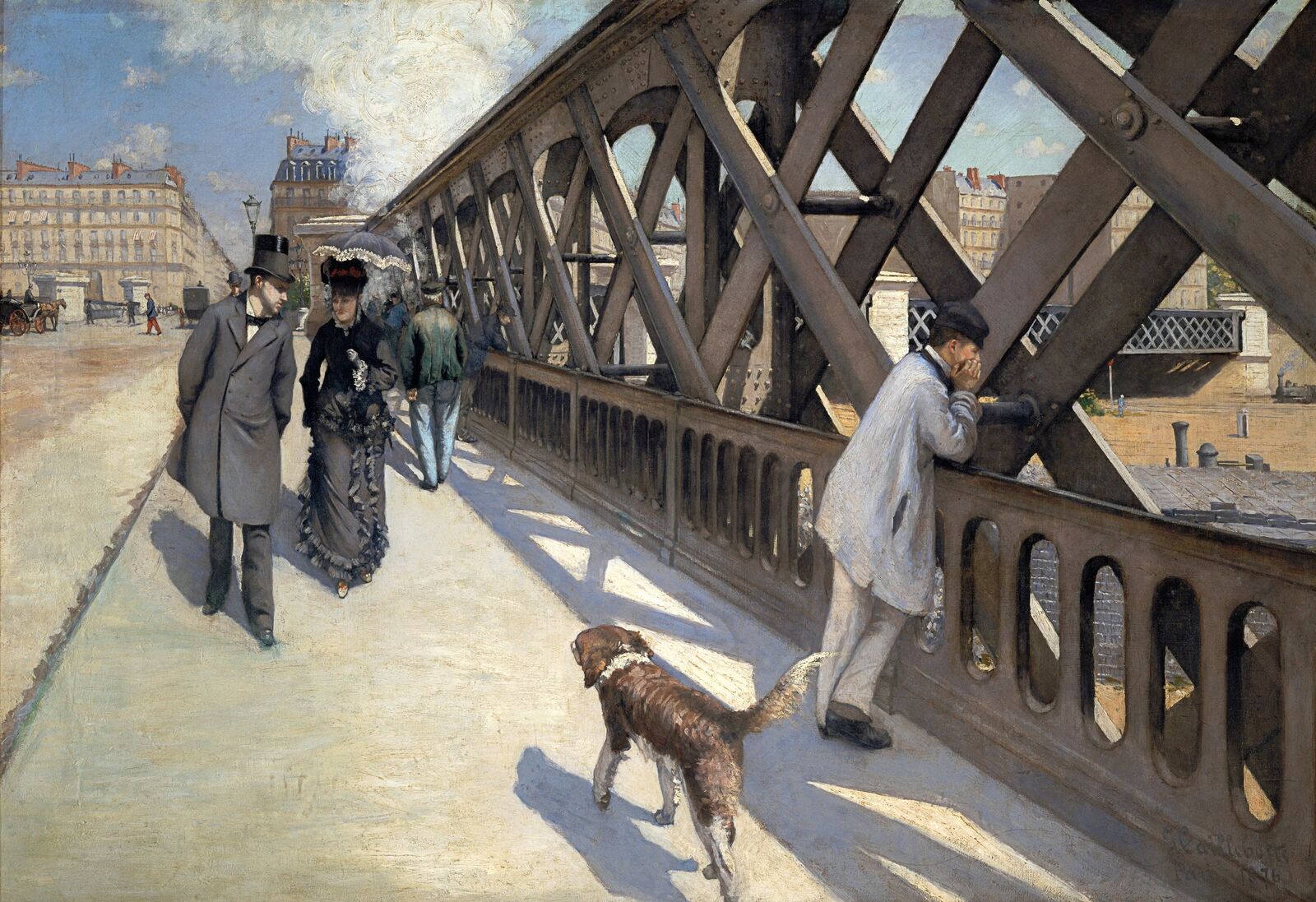
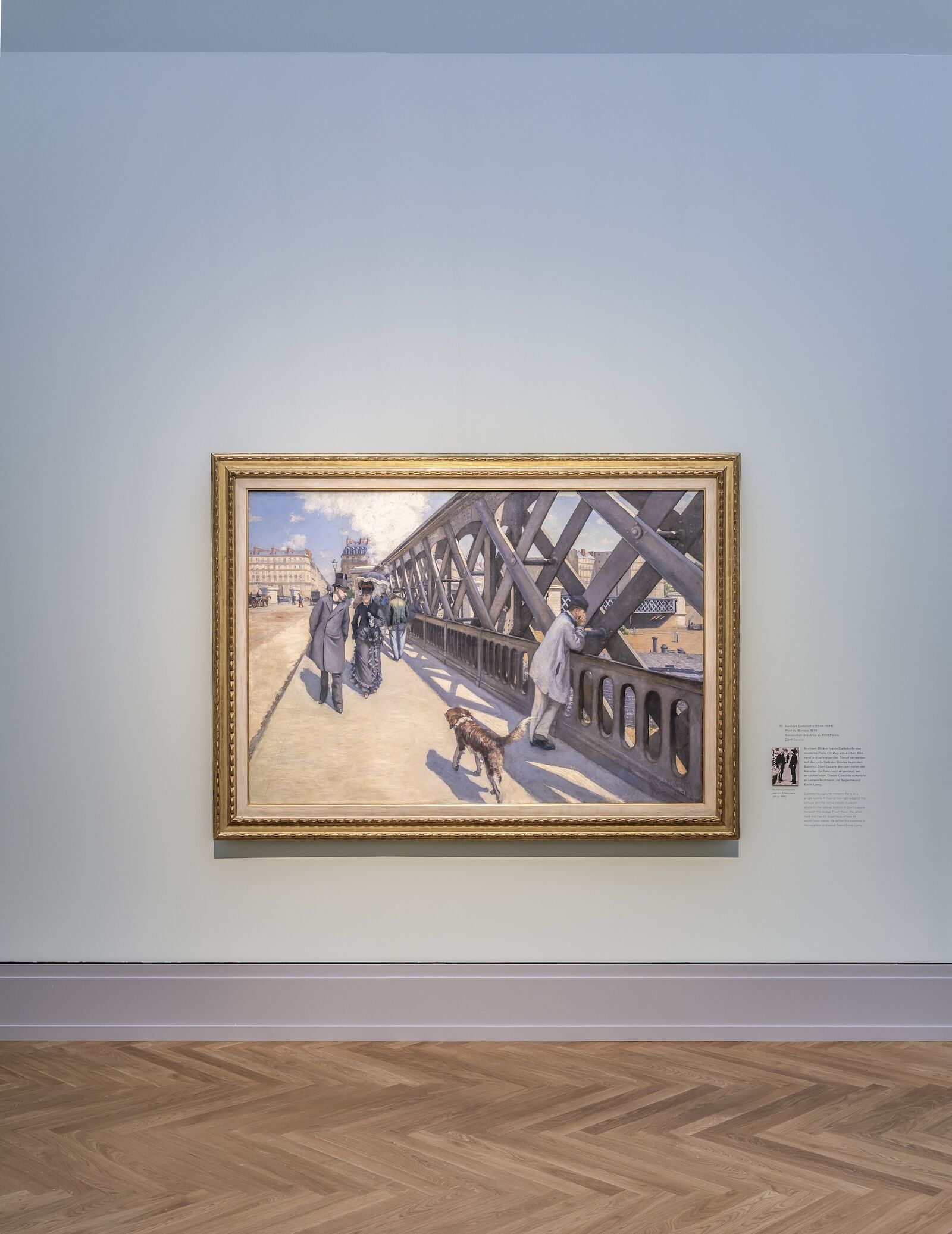
Gustave Caillebotte, Le Pont de l'Europe, 1876
Association des Amis du Petit Palais, Geneva
The exhibition centers on the question: What had to happen for a new way of painting to become an international movement? The exhibition does not provide the answer through an art-historical chronology, but rather through ten stories. Each story begins with a painting from the Hasso Plattner Collection. From there, the exhibition traces the people connected to that painting: the artists who created it, the friends with whom they developed their ideas, the collectors who believed in them early on, the dealers who created a market for the new art, and the critics and curators who brought it to public attention. The provenance of a painting thus becomes a narrative thread. It can lead from a French château, through a Parisian gallery and an American private collection, all the way to a contemporary art museum—and in doing so, reveal how Impressionism conquered the world step by step.
Hasso Plattner Collection
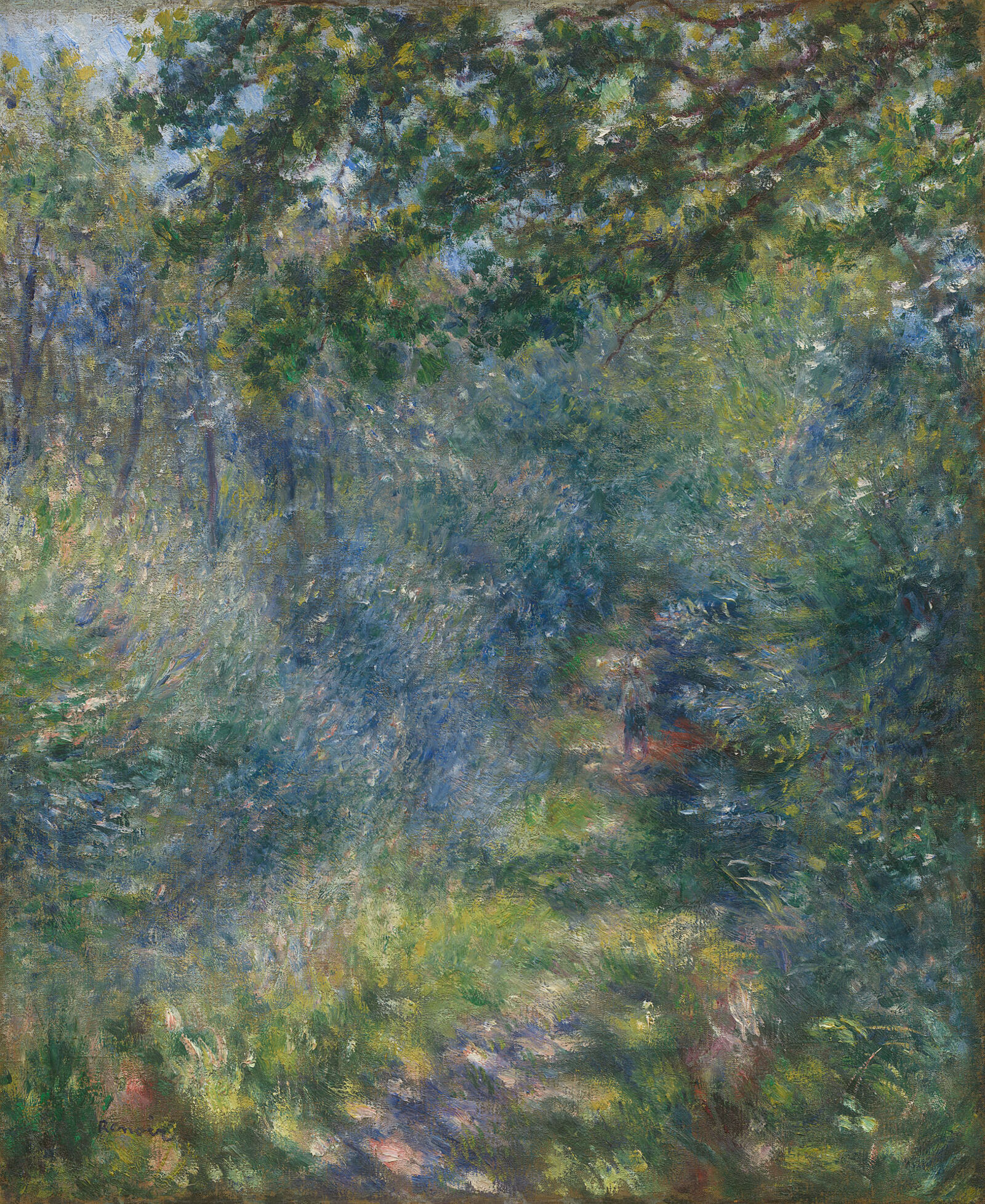
Pierre-Auguste Renoir: Path in the Forest, 1874–1877
Klassik Stiftung Weimar, Bestand Museen
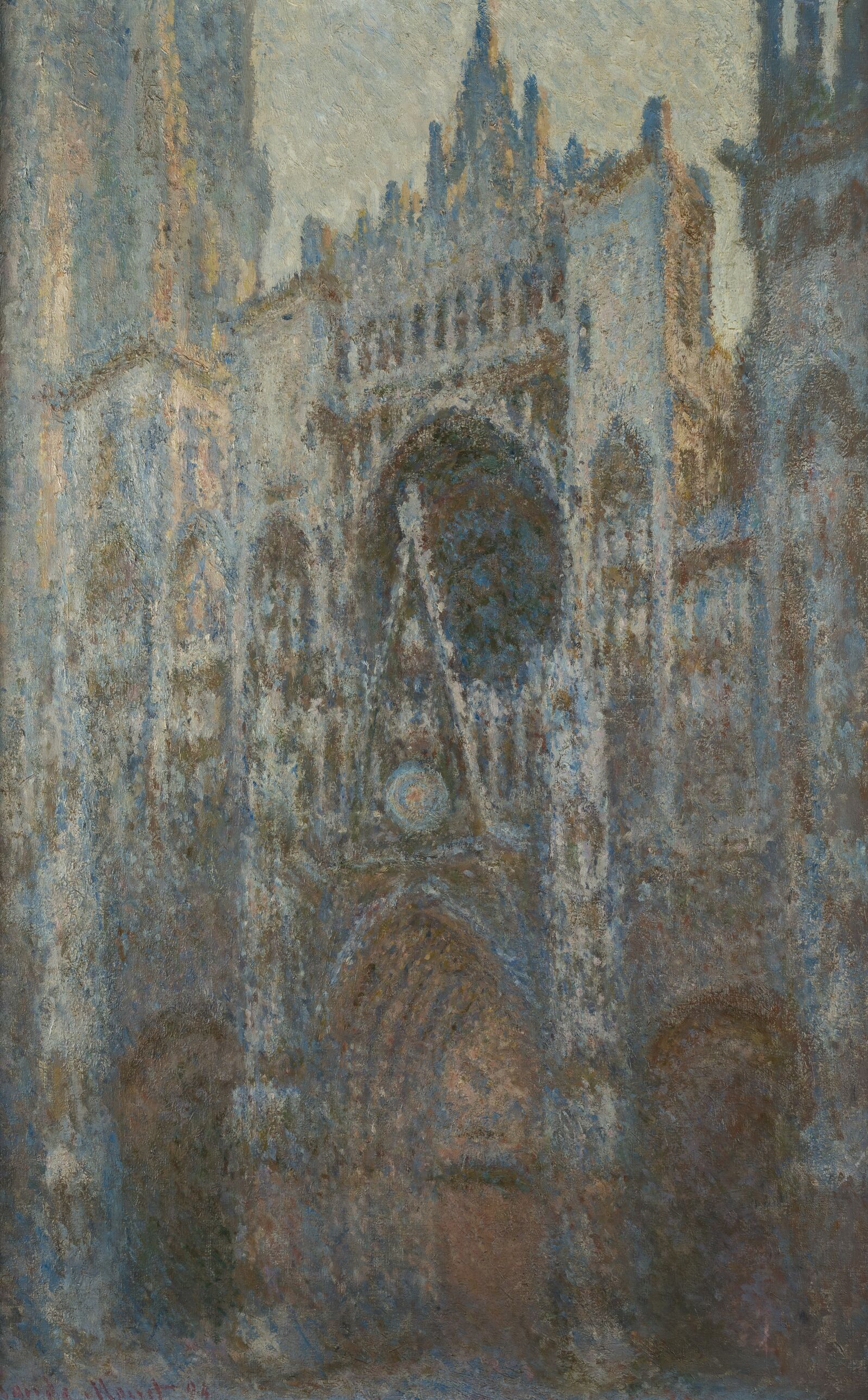
Claude Monet, Rouen Cathedral, 1894
Klassik Stiftung Weimar, Museen
The stories in the exhibition show that art history is not written solely in the studio. Impressionism gained acceptance because artists collaborated, because collectors took risks, because dealers opened up new markets, and because individuals brought paintings from Paris to Chicago, Berlin, London, or New York. This interplay of masterpieces and human stories defines the anniversary exhibition. It offers encounters not only with Monet, Morisot, Renoir, Manet, Caillebotte, Cassatt, and Sisley, but also with the people behind the success story of Impressionism.
Heritage Images / akg-images / Fine Art Images
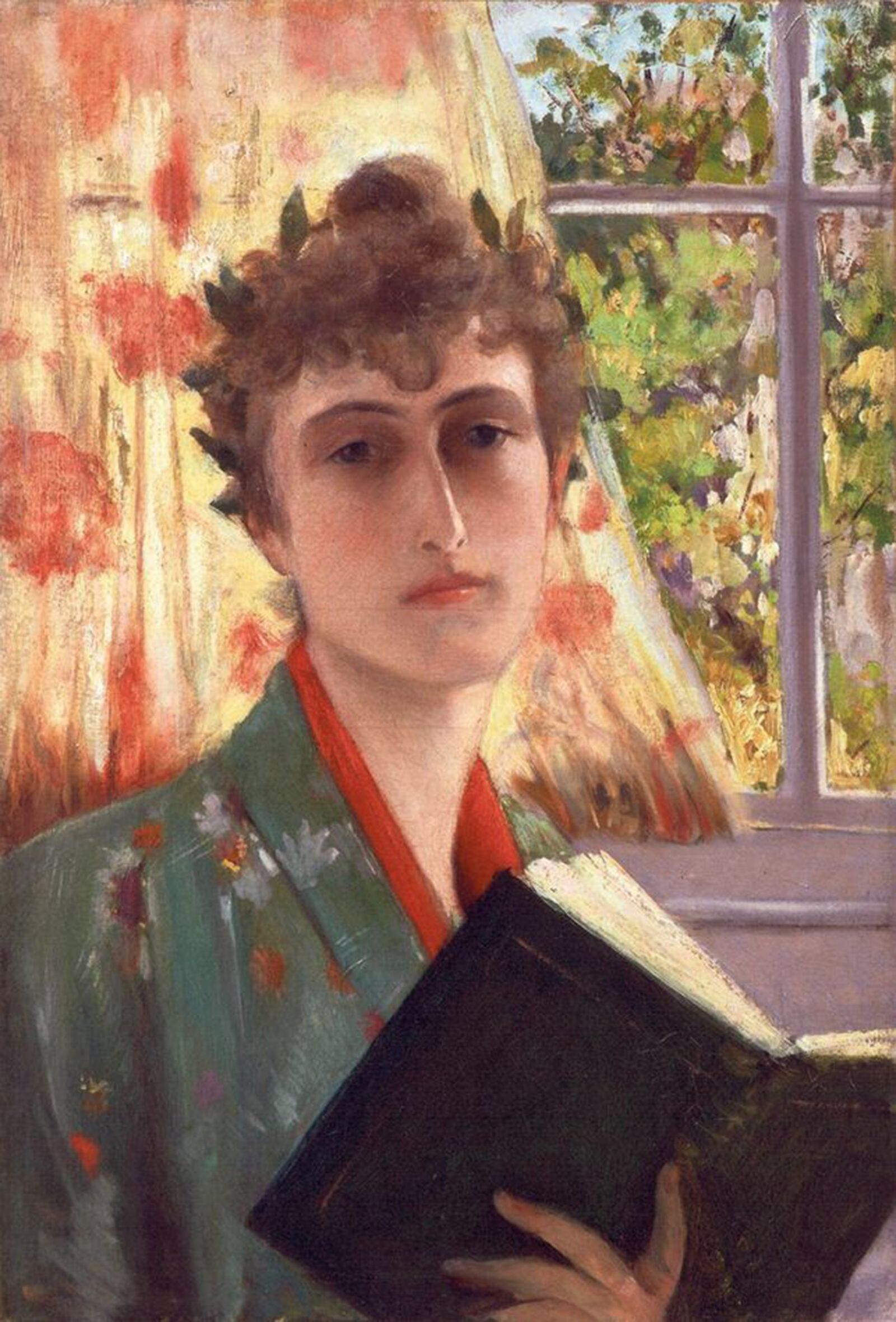
Winnaretta Singer, Self Portrait, 1885
Foundation Singer-Polignac
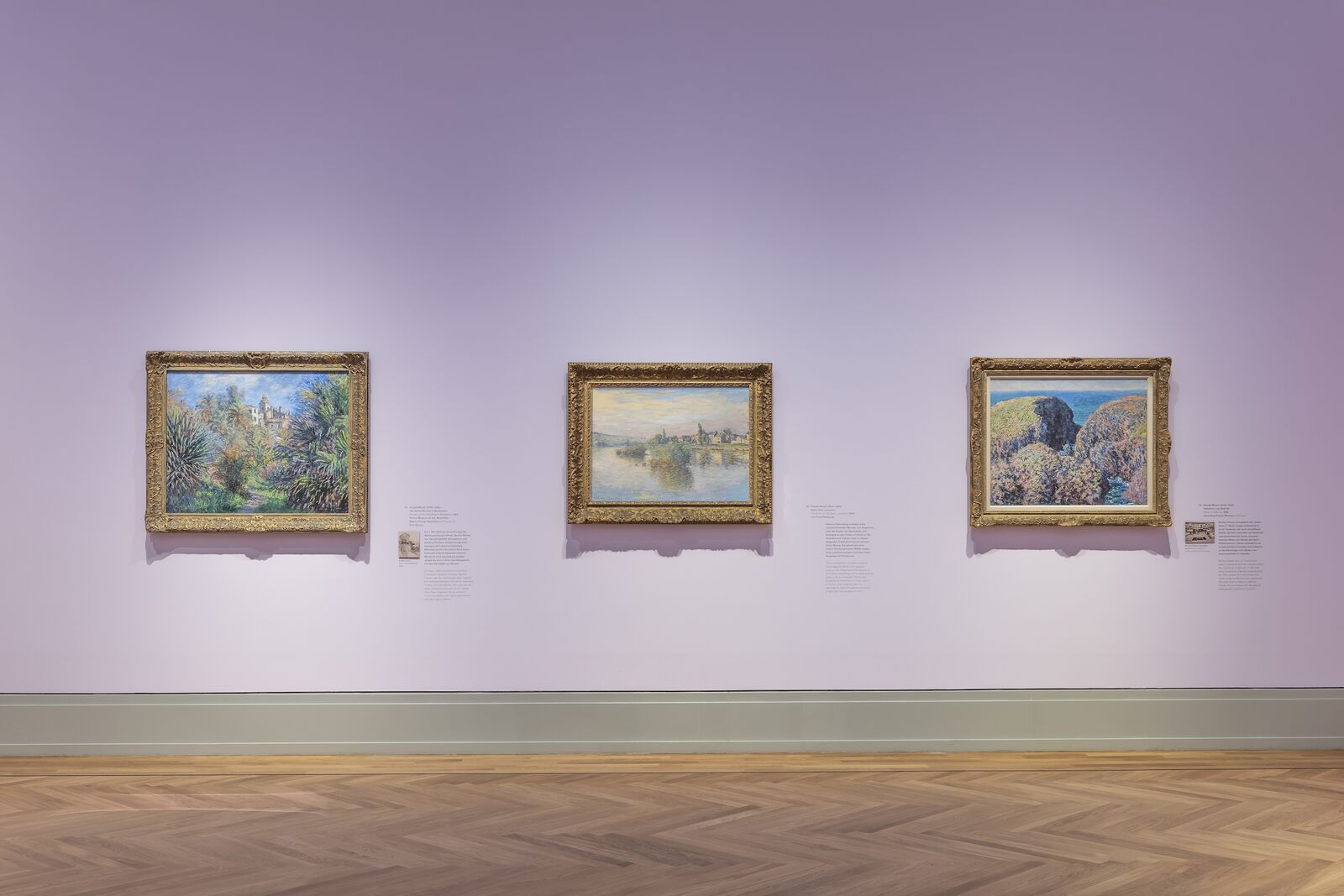
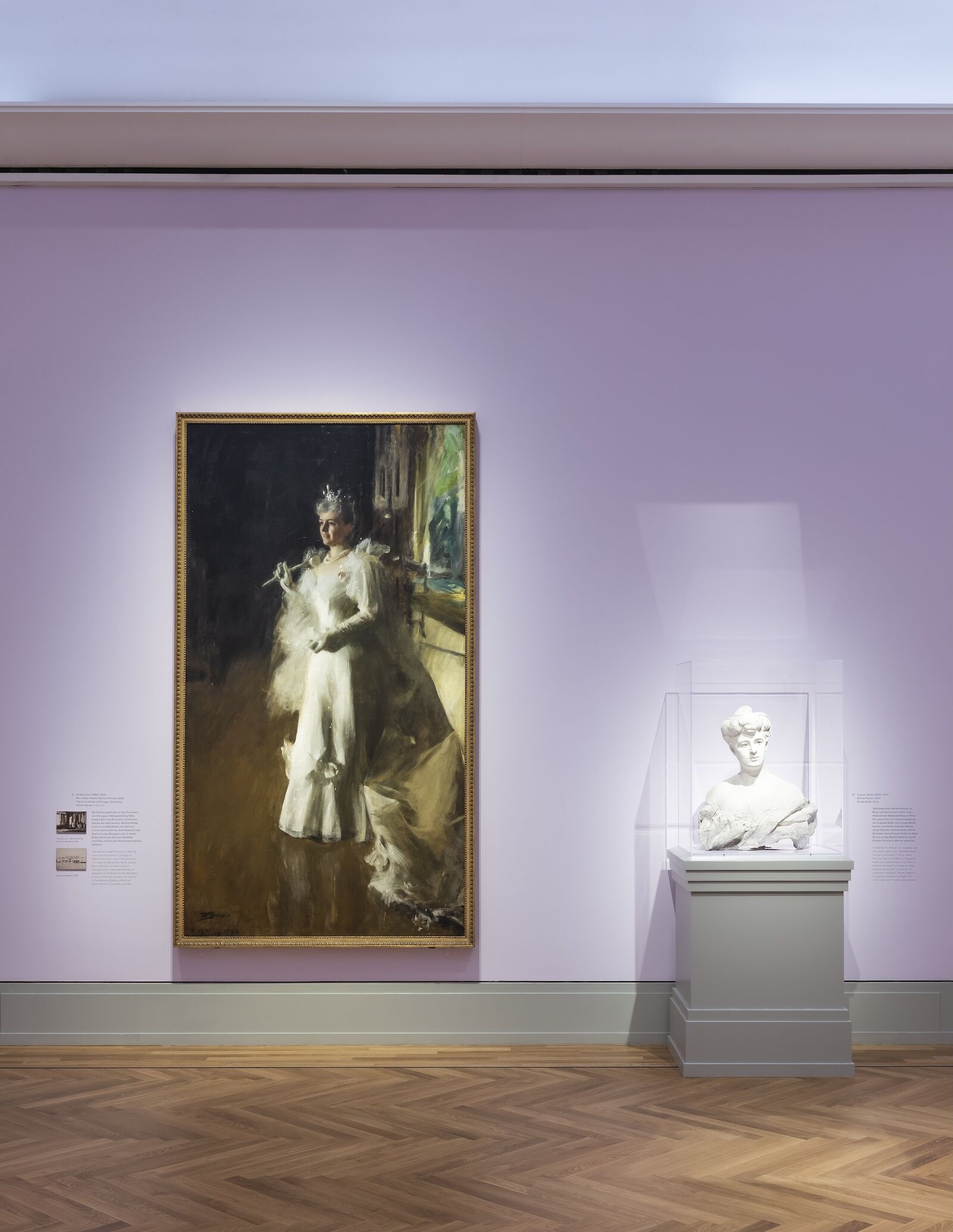
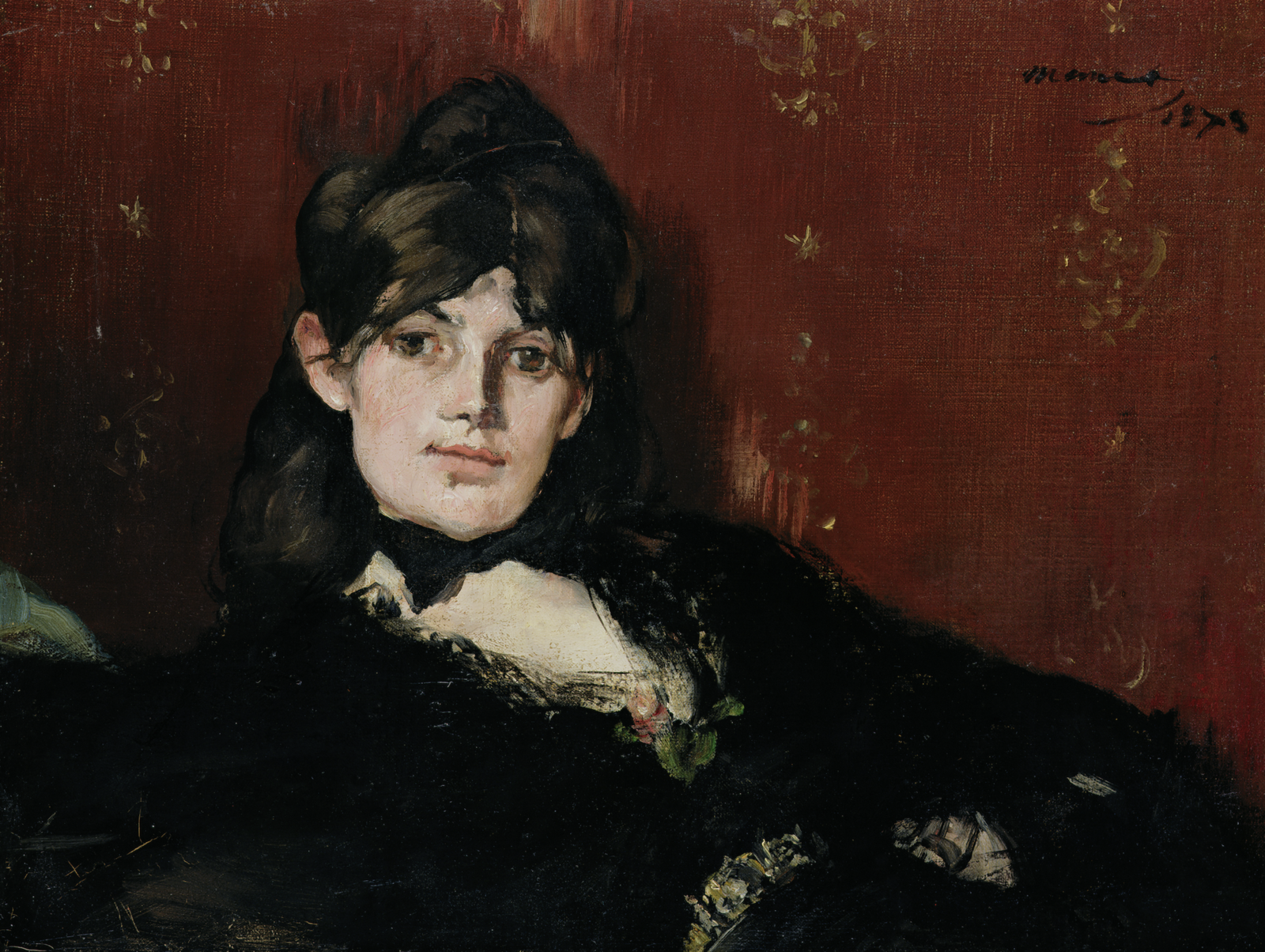
More than 100 masterpieces are on display at the exhibition in Potsdam. Among them are significant paintings such as Claude Monet’s Bazille and Camille (1865, National Gallery of Art, Washington), The Terrasse at Vétheuil (1881, private collection, Switzerland), Rouen Cathedral (1894, Klassik Stiftung Weimar), Summer (1874, Alte Nationalgalerie), and Quai du Louvre (1867, Kunstmuseum Den Haag), works by Berthe Morisot such as The Steamboat (1875, private collection) and Sunset over the Lake in the Bois de Boulogne (1894, private collection), and rarely exhibited paintings by Édouard Manet such as Boy In Flowers (1876, National Museum of Western Art, Tokyo) and Portrait of Berthe Morisot Reclining (1873, Musée Marmottan Monet, Paris). Gustave Caillebotte’s seminal work Pont de l’Europe (1876, Association des Amis du Petit Palais, Geneva) is also on view in Potsdam, as are Pierre-Auguste Renoir’s The Bay of Naples (1881, Metropolitan Museum of Art, New York) and Paul Cézanne’s Compotier, Plate and Apples (1879–1882, Ny Carlsberg Glyptotek, Copenhagen).
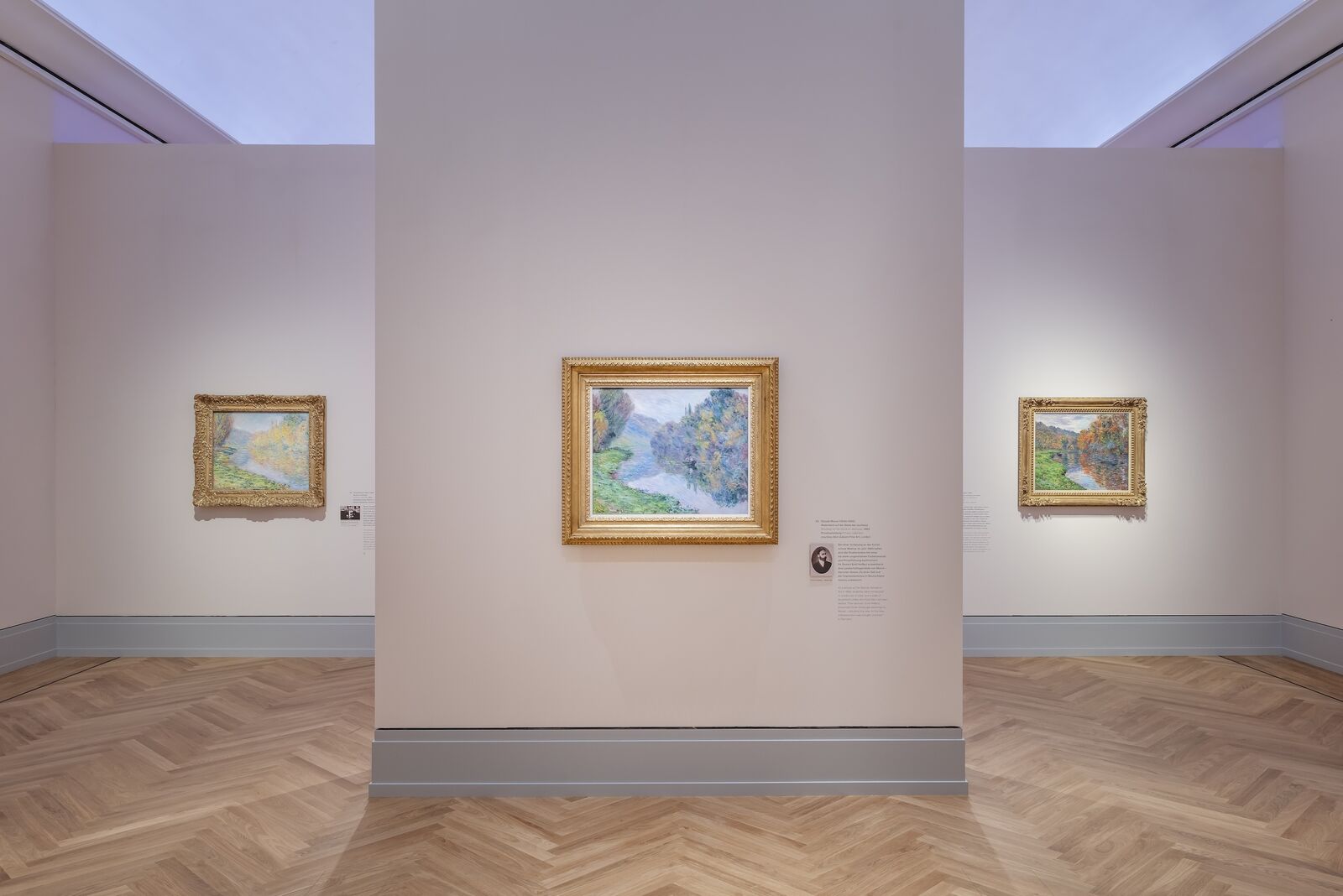
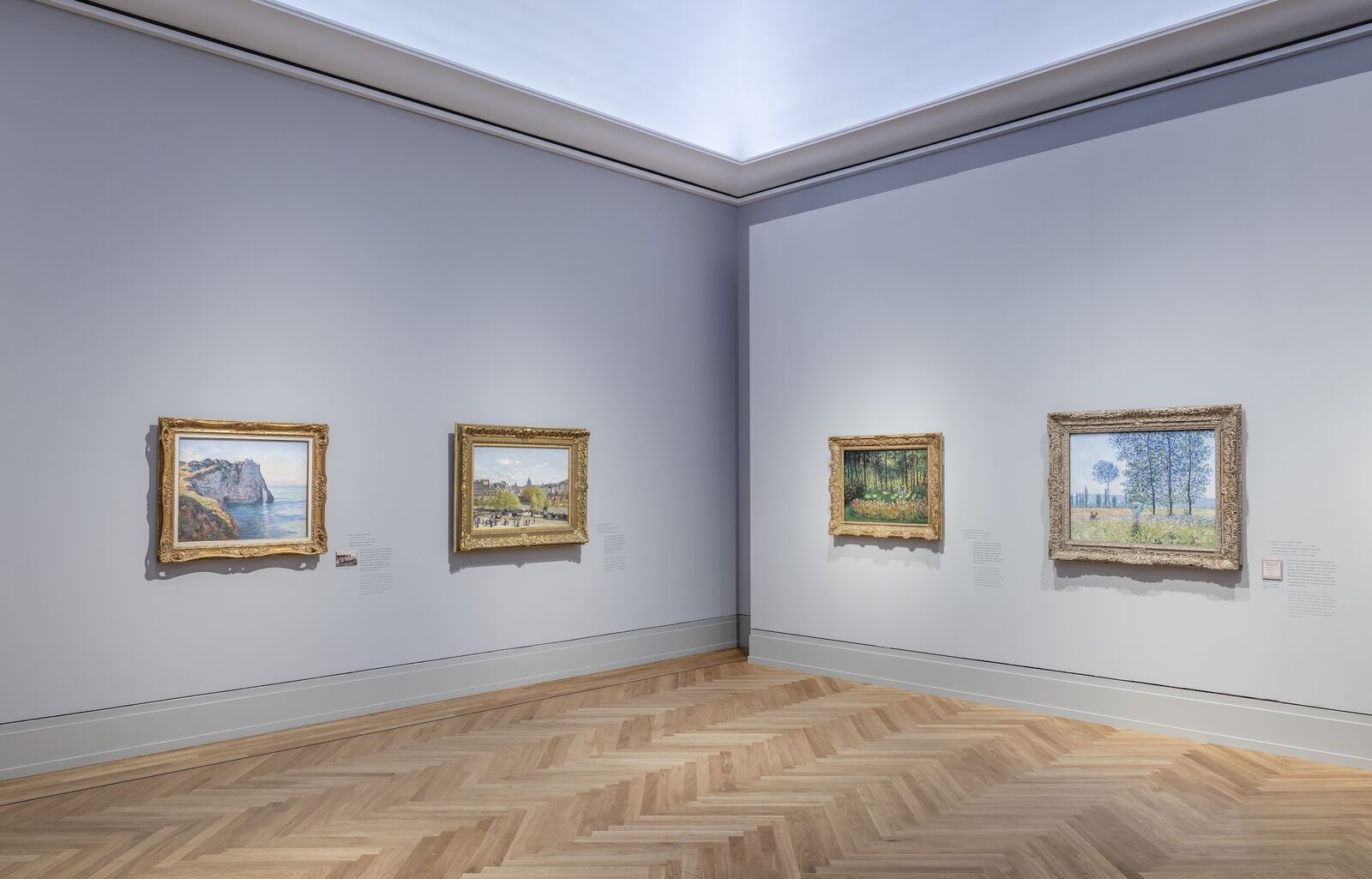
Other lenders include the Art Institute of Chicago, the Clark Art Institute in Williamstown, the Tokyo Fuji Art Museum, the Musée des Impressionismes in Giverny, the Musée d’Orsay in Paris, the Belvedere in Vienna, the Kröller-Müller Museum in Otterlo, the Kunsthaus Zürich, the Ordrupgaard Museum near Copenhagen, and the Royal Academy of Arts in London. A key focus is Claude Monet: Including the Monet paintings in the Hasso Plattner Collection, 61 works by the artist will be on view at the Museum Barberini during the exhibition.
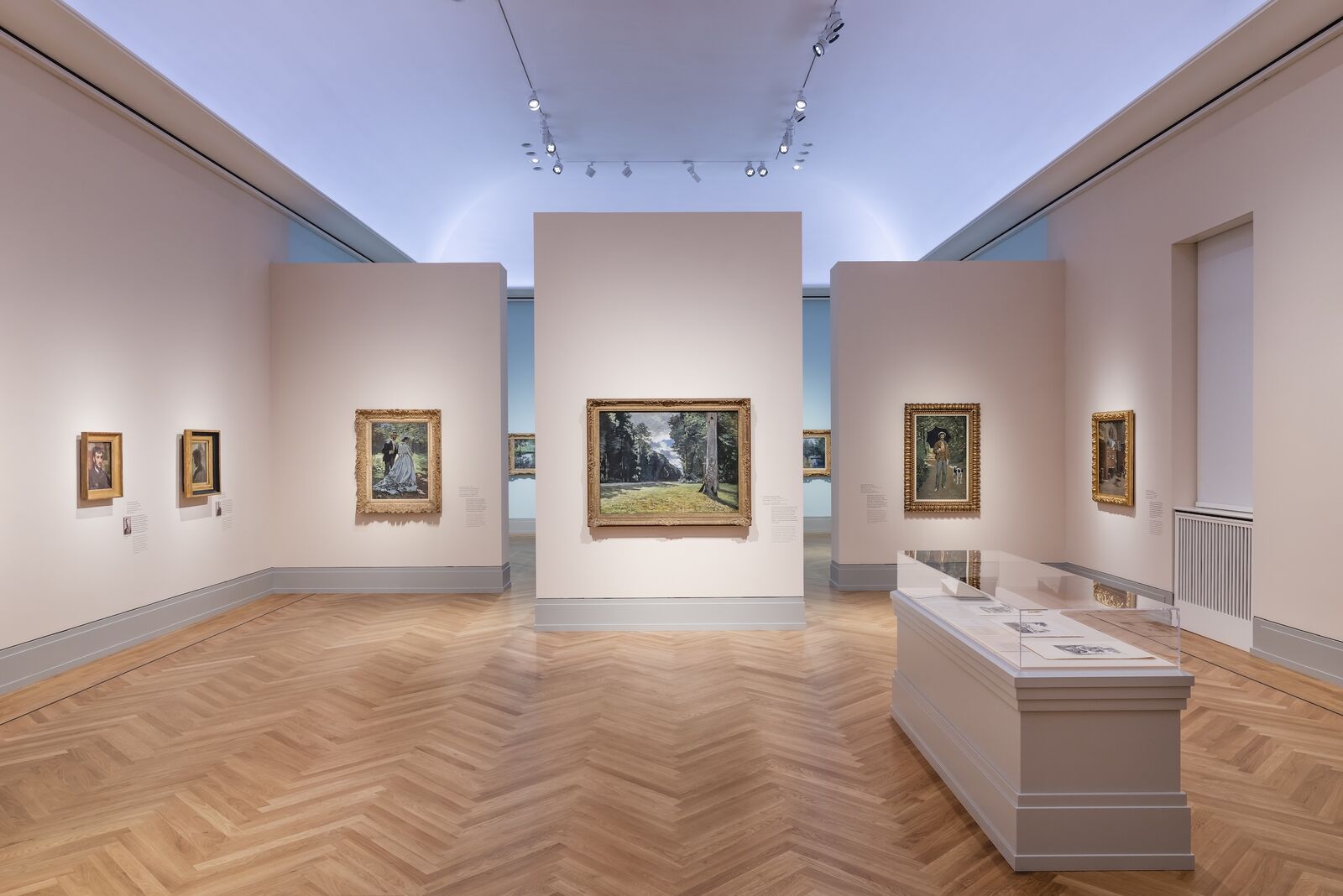
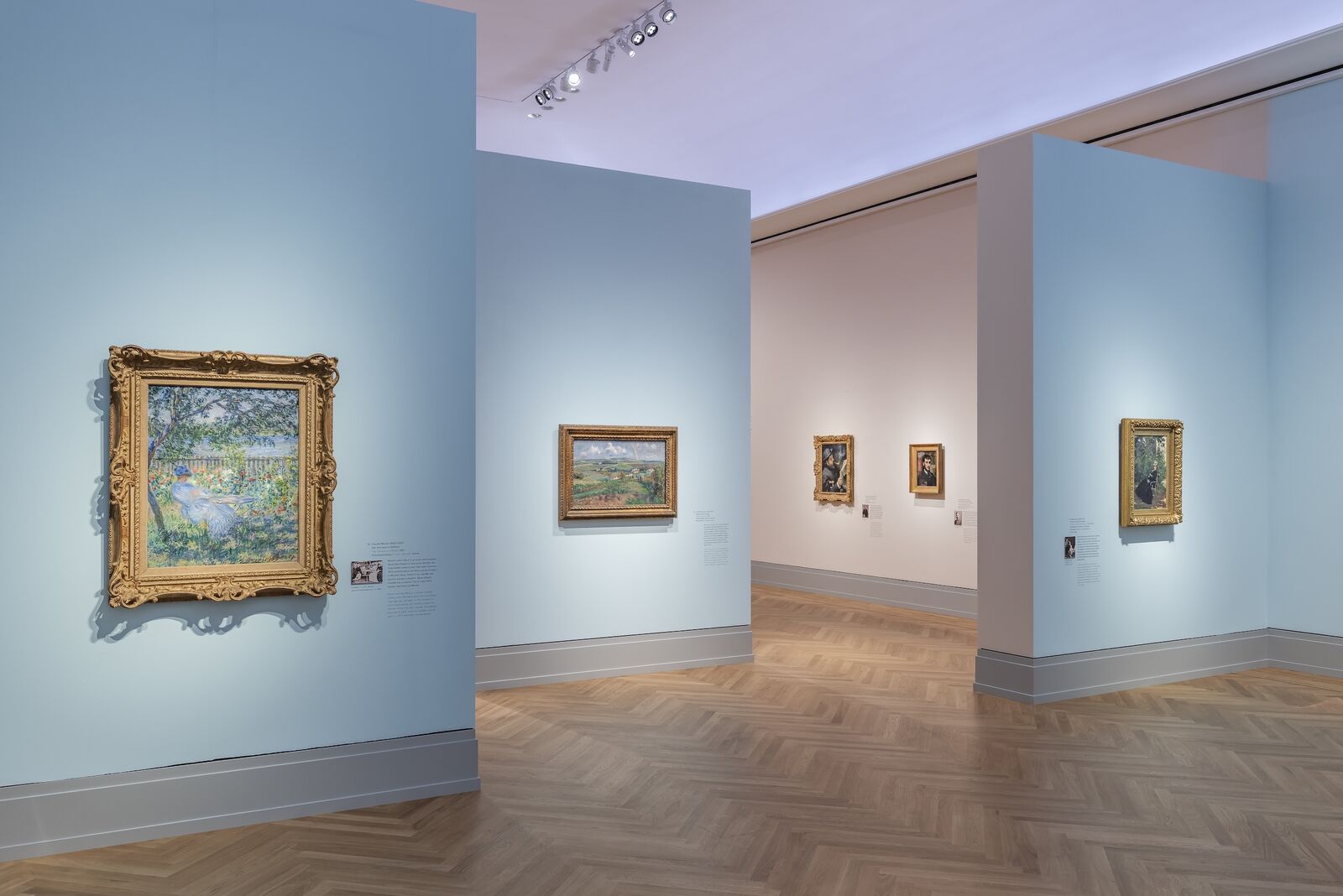
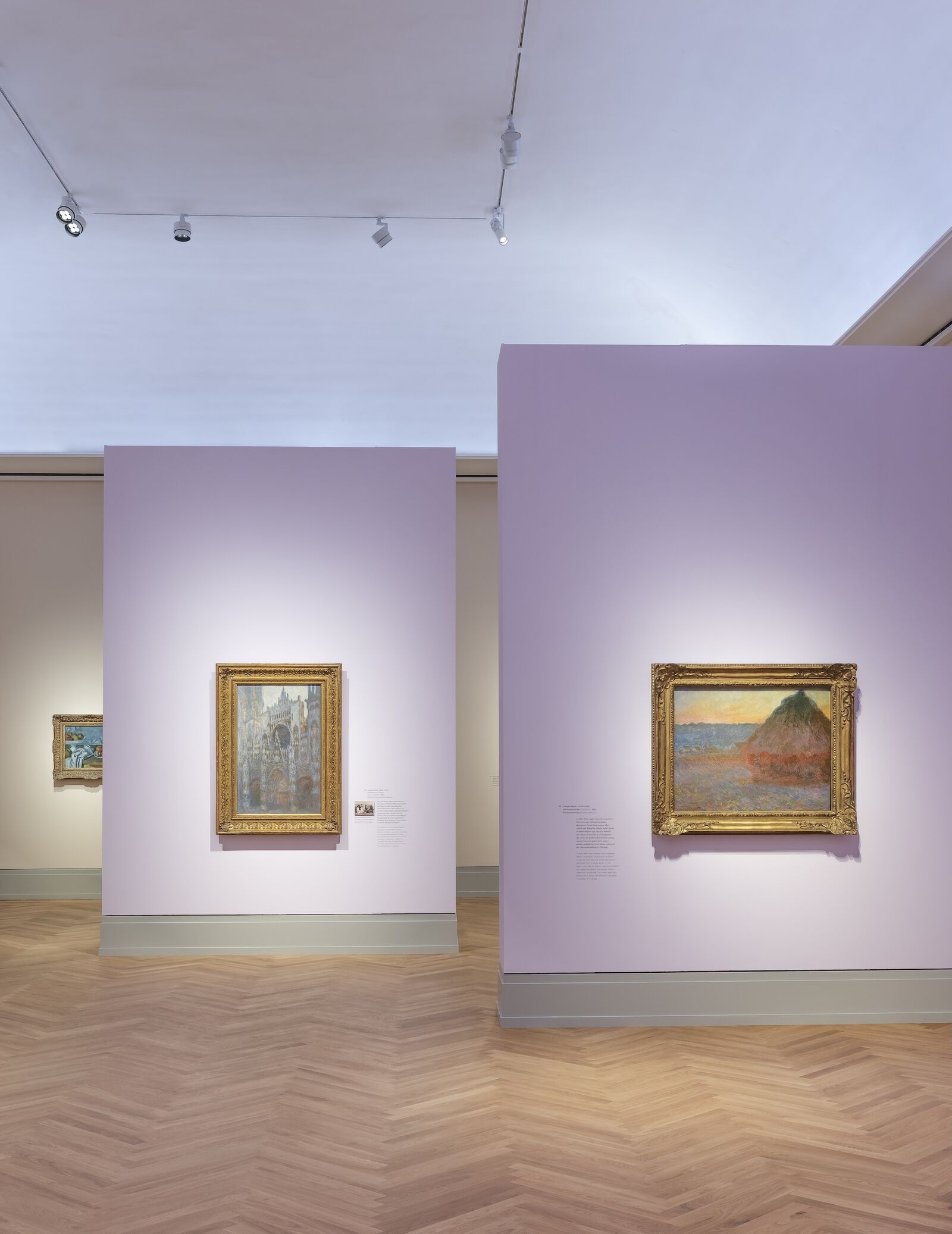
View of the exhibition
Read, Watch, Listen



Media partners
ARTE
Süddeutsche Zeitung
Tagesspiegel
Potsdamer Neueste Nachrichten
radio3
tip Berlin
Yorck Kino
The Berliner